Are you torn between the charm of an older Sioux Falls home and the ease of something brand new? You are not alone. Choosing the right neighborhood sets the tone for your day-to-day life, your budget, and your long-term resale. In this guide, you will learn how established and newer neighborhoods in Sioux Falls compare on architecture, maintenance, HOAs, flood risk, schools, and more, with local examples to make the differences clear. Let’s dive in.
Sioux Falls overview: established vs. newer
If you love mature trees, period architecture, and central convenience, Sioux Falls’ established areas may feel like home. The Cathedral Historic District and park-centered blocks around McKennan Park offer character, walkability, and a strong sense of place. The City neighborhood map highlights these older districts near downtown.
If you prefer modern layouts, energy-efficient systems, and nearby new retail or medical services, newer planned communities often deliver. Growth corridors like the east side include projects with coordinated amenities and retail, as seen in the momentum at Dawley Farm Village. Newer developments can include townhomes and association-maintained options that reduce exterior upkeep.
What defines established neighborhoods
Character and architecture
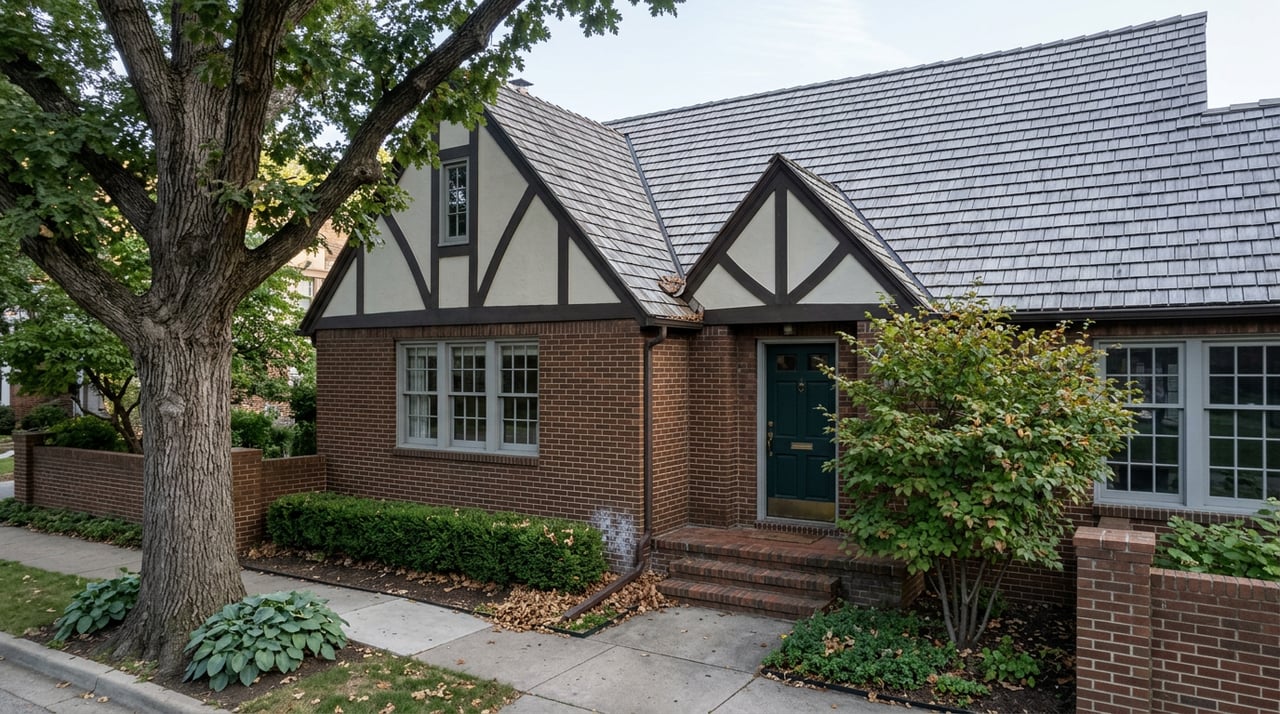
Established Sioux Falls neighborhoods showcase architecture from the late 1800s through mid-century. In areas like the Cathedral Historic District, you will see Queen Anne, Colonial or Tudor Revival, and early ranch styles. These homes often have thoughtful millwork, formal rooms, and cozy proportions that invite design-forward updates.
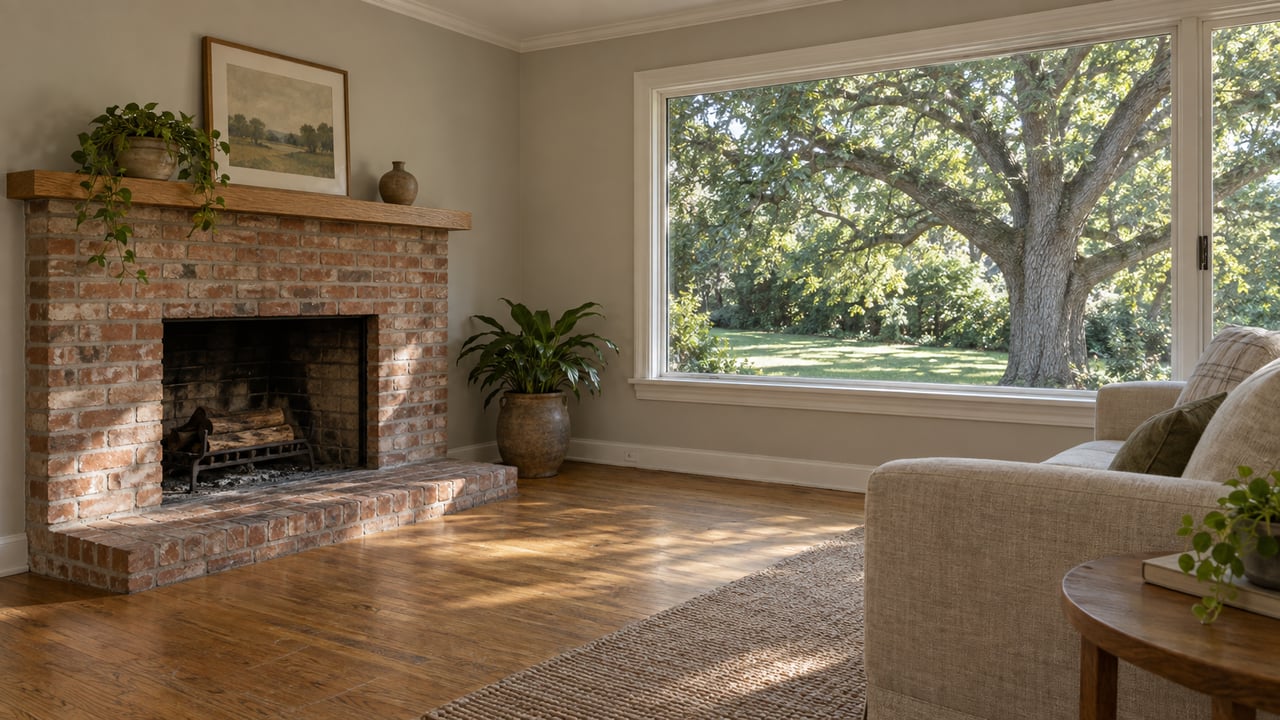
Nearby, park-focused pockets such as McKennan Park are known for mature trees, sidewalks, and a classic neighborhood feel. A quick look at the McKennan Park neighborhood profile shows why buyers value the green space and historic charm.
Lot variety and zoning context
Older blocks often feature irregular lot shapes and alley access, with a wide range of house sizes next to each other. When you compare this to newer subdivisions, it helps to know today’s baseline lot standards. The city’s DD2 detached residential zoning sets a common suburban minimum lot size of 5,000 square feet, which you can use as a reference point when evaluating lot sizes across listings.
Walkability and central access
Many established neighborhoods sit close to downtown, cultural venues, and long-standing commercial corridors. The City neighborhood map lists central areas by name, making it easier to research services and commute times. If your lifestyle revolves around short drives, coffee shops, and parks, older districts can be a natural fit.
Maintenance and inspections
Vintage homes reward you with character, but they may demand more near-term maintenance. Plan for a comprehensive inspection that evaluates structure and systems, and consider targeted checks such as a sewer scope in older blocks. National guidance suggests saving about 1 to 4 percent of your home’s value per year for maintenance as a planning range. You can read more in this home maintenance budgeting overview.
What defines newer neighborhoods
Home types and finishes
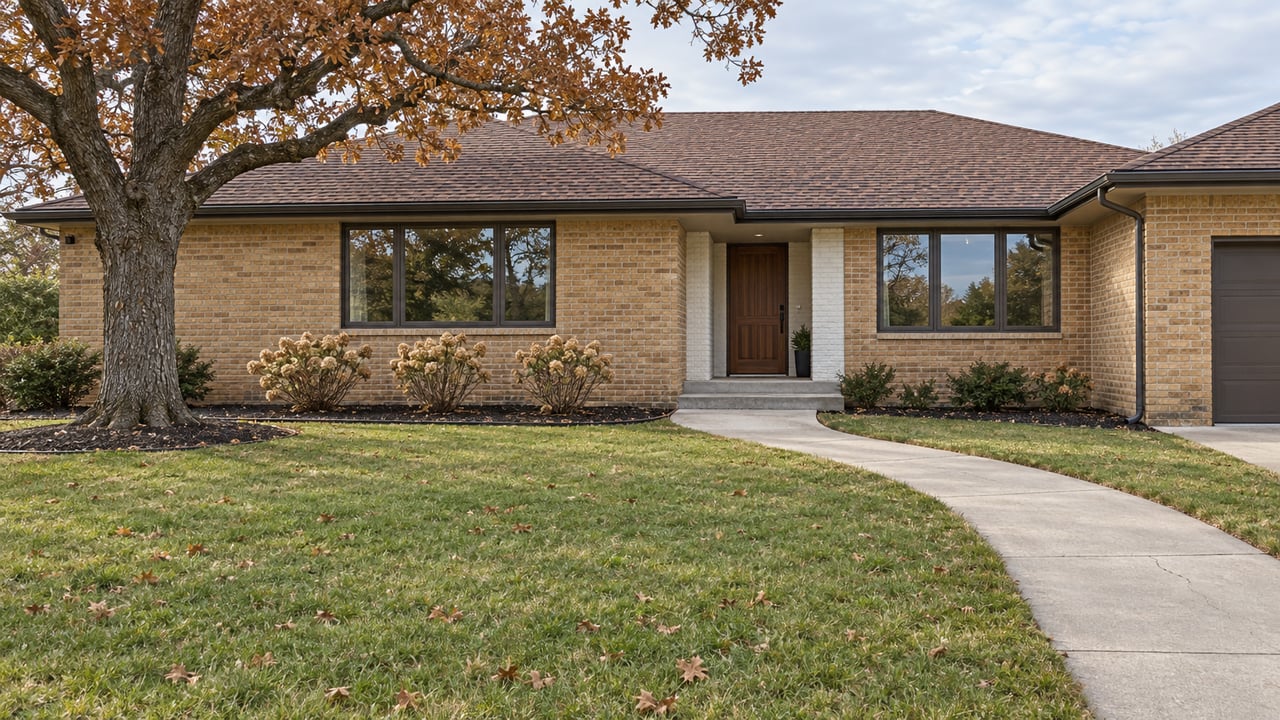
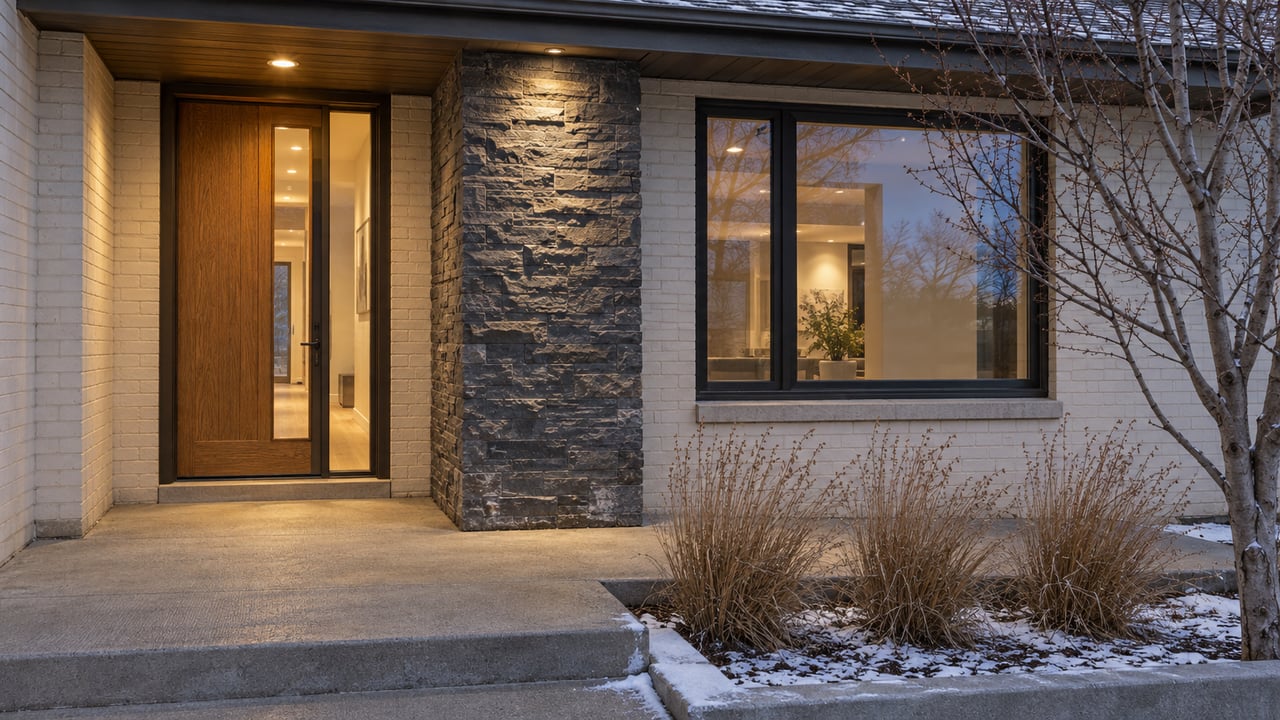
New construction in Sioux Falls often emphasizes open concept living, larger kitchens, attached garages, and energy-efficient systems. In east-side and outer growth areas, community plans may mix single-family homes with townhomes and apartments, supported by nearby retail and services. The expanding commercial and residential node at Dawley Farm Village is a strong local example.
Lots, HOAs, and covenants
Planned subdivisions tend to follow consistent lot standards guided by current zoning. For context, the city’s DD2 zoning sets a typical minimum for standard detached lots, while some projects include larger or mixed lot sizes. Many newer communities use covenants and owners associations to manage shared spaces and exterior standards. Association-managed options like Harvest Ridge Townhomes illustrate how professional management can reduce yard and exterior tasks while adding monthly fees and rules.
Amenities and infrastructure
With new streets and utilities, you are less likely to face immediate infrastructure repairs. Early phases can still bring active construction, so ask about timelines and future phases if you value quiet. Some master-planned areas include on-site parks, trails, or nearby medical and retail to support a “live close to what you need” lifestyle.
Builder warranties and quality checks
New homes often come with structured warranties for workmanship, mechanical systems, and structural components. Industry overviews describe common 1-2-10 style coverage, where short-term workmanship is covered first, then systems, then longer structural protection. Review terms, transferability, and claim procedures in writing. For context on warranty structures and tradeoffs, see this new-construction guide.
Location factors to verify before you buy
Flood risk near the Big Sioux River
Proximity to the Big Sioux River and its tributaries influences insurance and lender requirements. Use FEMA’s community information for South Dakota to find flood maps and confirm whether a property sits in or near a regulated floodplain. If so, ask about elevation certificates, past flood notices, and any flood insurance requirements.
Schools and commute patterns
School-district assignment can change across the metro. Much of Sioux Falls falls in Sioux Falls School District 49-5, while some edge developments may be in nearby districts. Confirm the current attendance boundaries directly with the district or the seller, and check commute routes at the times you expect to travel.
Taxes and total cost of ownership
Property taxes vary by assessed value and local levies. Publicly available summaries place Minnehaha County’s effective property tax rate around 1.1 to 1.2 percent, but you should verify any estimate with the county assessor for the specific address. For an overview, see this Minnehaha County property tax context. South Dakota does not have a personal income tax, which can improve after-tax affordability for some buyers.
Price and resale dynamics in Sioux Falls
Market conditions shift over time, and neighborhood medians vary. As a general context point, Zillow’s Sioux Falls home value summary places the city’s typical home value in the low to mid $300,000s and notes that month-to-month figures change. Established central neighborhoods may command premiums for location and character, while new construction often lists at a per-square-foot premium for new systems and finishes. In periods when many new homes deliver at once, buyers may find more choices in similar price bands.
If you are comparing two homes at the same list price, consider the full picture. For an older home, weigh near-term upgrades against the upside of character and location. For a new home, factor in HOA fees and future phase activity alongside the value of modern systems and a warranty.
Which buyer are you?
“Character and walkability” buyer
- You value mature trees, parks, and proximity to downtown.
- You are open to design updates that honor original architecture.
- You are comfortable budgeting for systems over time and prefer a unique home.
“Low-maintenance, modern systems” buyer
- You want open layouts, energy efficiency, and attached garages.
- You prefer predictable exterior standards, shared amenities, or association-managed options.
- You see value in builder warranties and newer infrastructure.
A practical checklist for your search
If you are buying established
- Order a comprehensive inspection, including a sewer scope on older lines.
- Request service and repair records for roof, HVAC, electrical, and plumbing.
- Use a maintenance reserve of roughly 1 to 4 percent of value as a planning range, as outlined in this maintenance budgeting guide.
- Check for any historic-district overlays or exterior-review requirements.
- Ask for a hyper-local comp set for the specific block and house type.
If you are buying new
- Get the builder warranty in writing and confirm coverage periods and claim steps. For context, review common warranty structures.
- Request the construction timeline, phase map, and an inspection schedule for pre-drywall, punch list, and final walkthrough.
- Obtain all HOA documents: CC&Rs, bylaws, budgets, reserve studies, recent minutes, and any special assessments.
- Compare list price to recent closed comps to understand any new-construction premium.
For every home you consider
- Verify flood zone status with FEMA’s resources and ask your insurer for quotes.
- Confirm school-district assignment with the district or seller.
- Request a property tax estimate from the county assessor and review exemptions.
- Drive the neighborhood on weekdays, weekends, and evenings to gauge traffic and ambience.
Local examples that highlight the tradeoffs
- Cathedral Historic District: Period architecture, tree-lined streets, and a central location suited to buyers who prize character and proximity to cultural amenities. Explore the Cathedral Historic District overview.
- McKennan Park area: Park-centric living with mature landscaping and early to mid-20th century homes. The McKennan Park neighborhood profile offers context on the setting.
- Dawley Farm Village: A newer mixed-use hub on the east side that blends residential options with expanding amenities. Read about Dawley Farm Village momentum.
- Association-managed townhomes: Projects like Harvest Ridge Townhomes show how shared maintenance can simplify ownership in newer communities.
Bringing it all together
There is no single right answer, only the right fit for your priorities. If you crave uniqueness, mature trees, and central access, established neighborhoods likely top your list. If you want modern systems, an open layout, and less exterior upkeep, a newer development may be the better move. The best next step is to compare specific homes, run the full cost of ownership, and pressure-test the lifestyle you want.
If you would like a curated short list or help spotting design potential that the market overlooks, reach out. With a design-forward lens and data-backed negotiation, Amanda Buell Homes helps you buy with clarity and confidence.
FAQs
What are the main pros and cons of historic Sioux Falls neighborhoods?
- Expect character, mature trees, and central access, balanced by varied floorplans and potentially higher near-term maintenance that calls for a thorough inspection and realistic reserves.
How do HOAs in new Sioux Falls developments affect owners?
- HOAs can simplify exterior upkeep and maintain community standards, while adding rules and recurring fees that you should review in CC&Rs, budgets, and reserve studies before you buy.
How do lot sizes compare between older and newer areas?
- Older blocks often have irregular or mixed lot sizes, while newer subdivisions follow consistent standards guided by today’s codes such as the city’s DD2 baseline.
Do new homes in Sioux Falls come with warranties?
- Most new homes include structured coverage for workmanship, systems, and structure, so confirm exact terms in writing and review a warranty overview for context.
How do I check if a home is in a flood zone in Sioux Falls?
- Use FEMA’s South Dakota community page to access flood maps, then ask your insurer for quotes and confirm any elevation certificate or insurance requirements.
What should I budget for maintenance on an older home?
- A common planning range is 1 to 4 percent of home value per year, adjusted for the home’s age and system lifespans, as outlined in this maintenance guide.