Is your Old Orchard home full of charm but not quite photo ready? You are not alone. Buyers love the neighborhood’s mature trees and established streets, yet they still expect light, clean, and move-in ready spaces. This guide gives you a simple, design-forward plan tailored to Old Orchard in Sioux Falls so you can impress in photos and win in person. Let’s dive in.
What Old Orchard buyers notice
Old Orchard’s appeal is all about character and location. Mature landscaping, classic details, and quick access to parks and downtown set the tone. Your job is to make those strengths feel intentional and well cared for. When you stage with that goal in mind, you help buyers picture daily life in the neighborhood.
Curb appeal that sets the tone
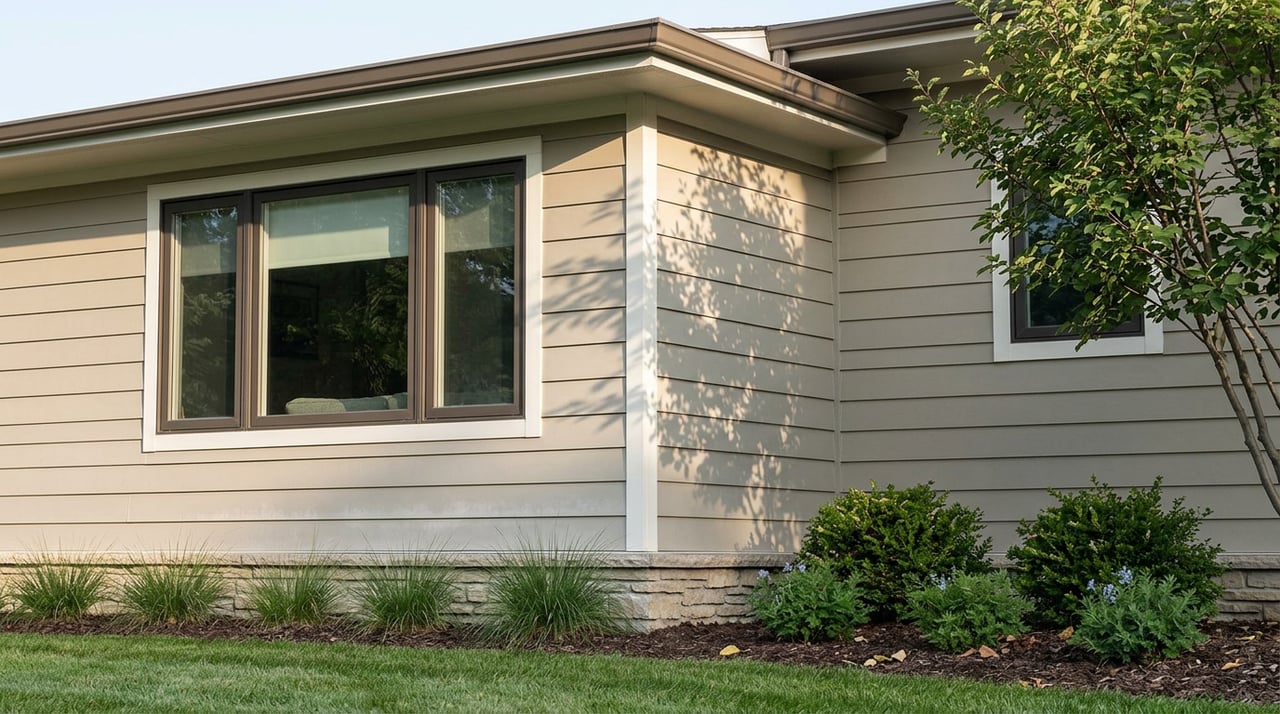
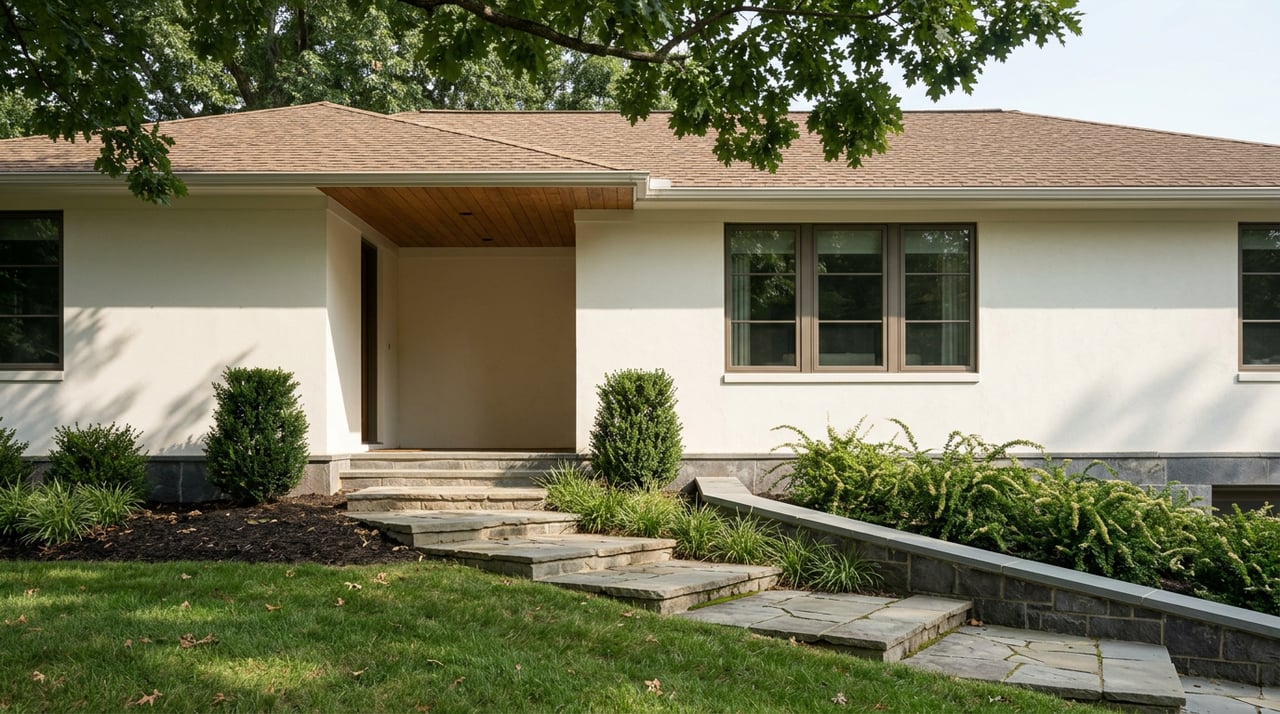
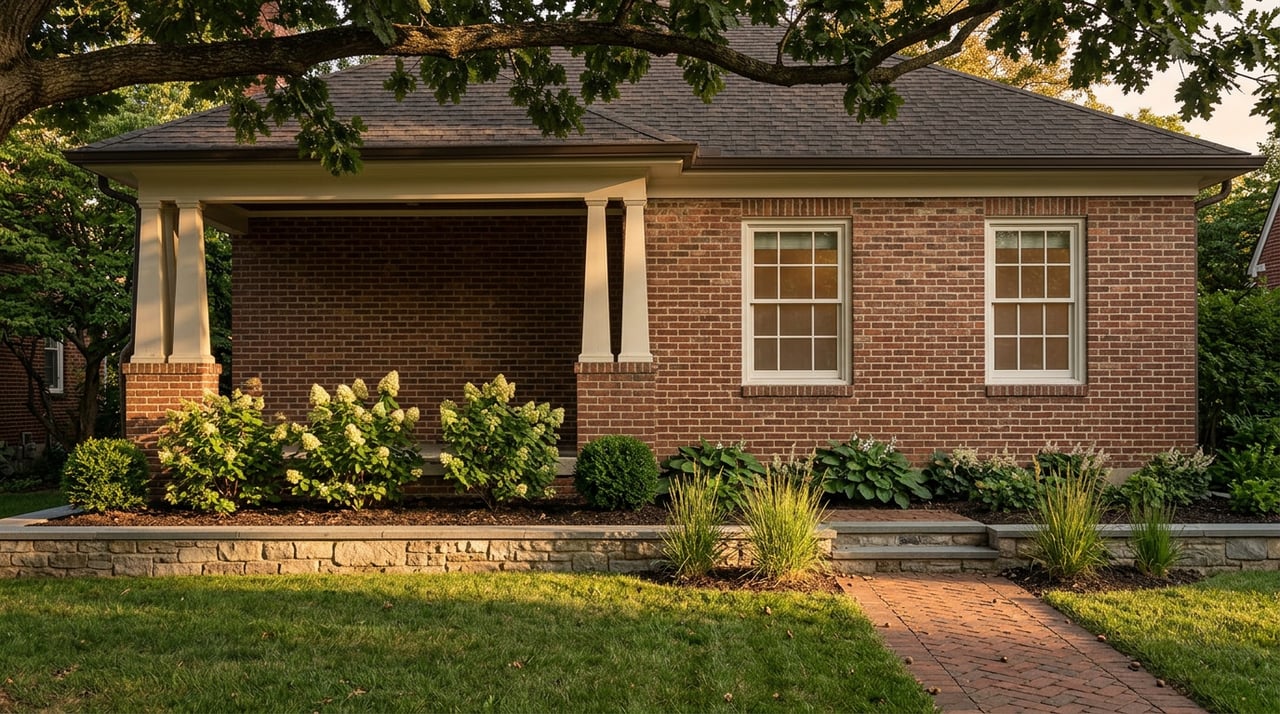
First impressions start at the street. Trim trees and hedges so the house looks cared for and light can reach the windows. Refresh mulch, edge the lawn, and pressure-wash the walk and steps.
At the entry, keep it clean and welcoming. Consider a fresh coat of paint on the front door, readable house numbers, and a working porch light. In winter, clear snow and ice before every showing and add a durable doormat.
Preserve character, neutralize the dated
Old Orchard homes often have original trim, hardwood floors, and built-ins. Keep these features visible and in good repair. If something is worn, refinishing or repair usually beats replacement.
Highly personalized finishes can distract buyers. Use neutral paint to calm loud colors or busy wallpaper. Update small items like hardware and light fixtures when they are mismatched or tired.
Optimize space and flow
Older floor plans can feel compartmentalized. Define each room with a clear purpose, such as a den, office, or guest room. Remove extra furniture so pathways are obvious and rooms feel larger.
Choose furniture that fits the space. Smaller-scale or modular pieces help tight rooms feel comfortable. Keep surfaces tidy so buyers focus on the architecture.
Light, color, and warmth
Light sells. Clean every window and trim exterior branches that block natural light. Replace burned-out bulbs and use warm, neutral color temperatures so rooms feel inviting.
Stick to a warm neutral palette on walls and textiles. Layer lighting with overhead, task, and accent lamps, so the home shows well at any time of day.
Clean, declutter, depersonalize
A spotless home signals good maintenance. Deep clean kitchens and baths, polish floors, and dust trim and built-ins. Clear countertops and shelves so the eye reads space, not stuff.
Pack personal photos and strong décor items. Organize closets and storage areas because visible storage capacity is a big selling point. Keep scents neutral and fresh.
Odor control that works
Address sources first. Wash textiles, clean rugs, and service vents. Avoid heavy fragrances that can raise questions.
Aim for light and neutral. Fresh air, a bowl of citrus for photos, or unscented cleaning products help rooms feel clean without overpowering.
Room-by-room checklist
Kitchen
- Clear counters and store small appliances.
- Clean appliances inside and out; scrub grout and replace worn caulk.
- Update cabinet hardware if it is dated or mismatched.
- Make sure drawers and doors open smoothly.
Living room
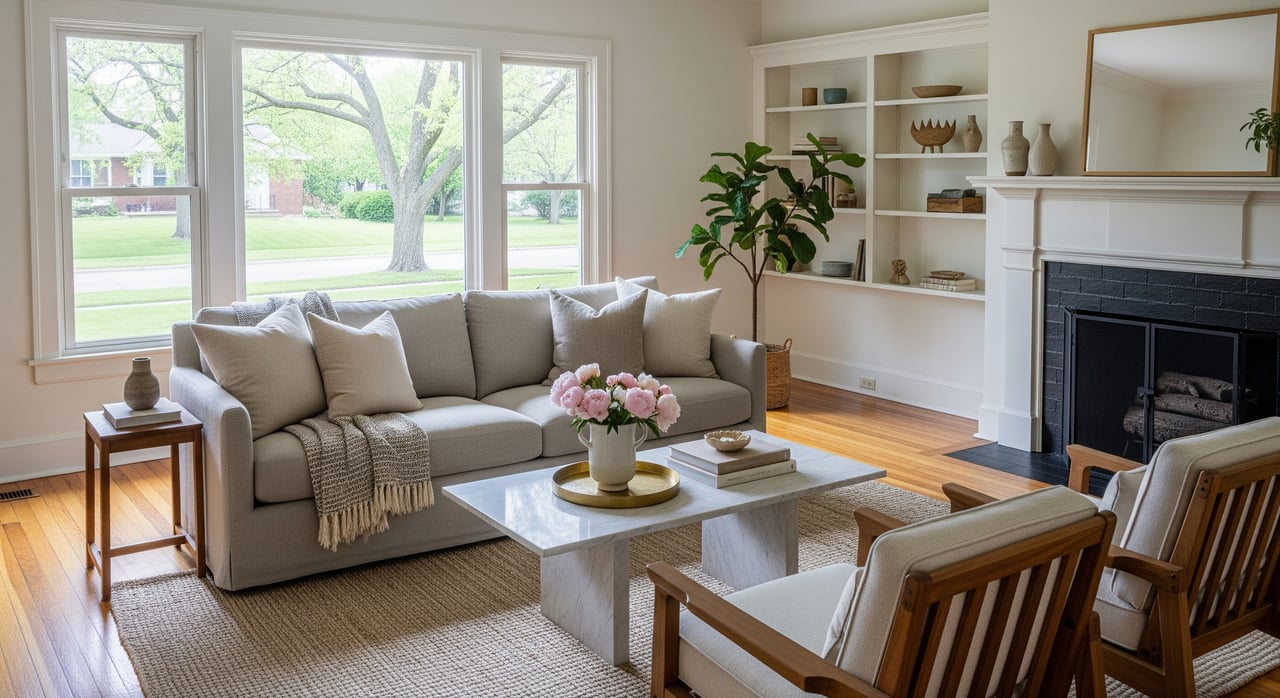
- Arrange furniture around a focal point like a fireplace or window.
- Remove bulky pieces to show scale and flow.
- Style built-ins lightly to highlight storage, not clutter.
Primary bedroom
- Use neutral bedding and minimal décor.
- Show closet storage by editing and spacing hangers.
- Keep nightstands clear with a lamp and one simple accessory.
Entry and foyer
- Remove shoes and everyday clutter.
- Add a simple runner or bench if space allows.
- Ensure bright lighting and a clean, welcoming look.
Dining, office, and guest rooms
- Set a simple dining table to suggest scale.
- Create a calm, minimal home office with cable management.
- Use neutral bedding and tidy nightstands in guest rooms.
Bathrooms
- Deep clean, including grout and fixtures.
- Re-caulk where needed; keep counters clear.
- Add fresh white towels and a small plant or soap.
Basement and attic
- Brighten with clean bulbs and open pathways.
- Remove signs of dampness; use a dehumidifier if needed.
- Show potential uses like storage, gym space, or a workshop area.
Garage and exterior storage
Declutter and sweep; show open floor space.
Use simple shelving or pegboards to suggest organized storage.
Budget-smart staging plans
You do not need a full remodel to make a strong impact. Choose the tier that fits your timeline and goals.
Low-cost DIY, under about $500:
- Deep clean, declutter, and touch-up paint in key rooms.
- Replace bulbs, tighten hardware, and freshen door hardware or house numbers.
- Pressure-wash exterior paths and add simple plants.
Mid-range, roughly $500 to $2,500:
- Professional cleaning and selective professional staging for high-impact rooms.
- Interior painting in main areas; update light fixtures and cabinet hardware.
- Minor landscaping refresh and professional photography.
Full staging or higher-end:
- Whole-home professional staging, furniture rental, and design direction.
- Larger updates or landscape overhauls where appropriate.
- Best for vacant homes or higher-priced listings that benefit from a full presentation.
Staging can help homes sell faster and improve buyer perception, especially for vacant properties and dated finishes. Return on investment varies by market, condition, and staging quality, so weigh your spend against your price point and timing.
Timing and logistics
Complete staging before photography. Natural light helps photos, so schedule accordingly. Plan one to two weeks for minor projects and staging coordination, and build more time for bigger updates.
For occupied homes, focus on decluttering, paint, lighting, and staging priority rooms. For vacant homes, real furniture photographs and shows best. If you use virtual staging, confirm local MLS disclosure rules before publishing photos.
Seasonal strategies in Sioux Falls
Winter showings
- Clear snow and ice from all walkways before each showing.
- Keep a boot tray and absorbent mats by the door.
- Use warm lighting and cozy textiles, and service the furnace in advance.
Spring and summer
- Mow, edge, and trim hedges; clean patios and decks.
- Group outdoor furniture to show a clear seating or dining area.
- Highlight low-maintenance or native plantings where possible.
Fall
- Rake leaves, clean gutters, and tidy garden beds.
- Shift textiles to warm neutrals without heavy seasonal themes.
Older-home considerations
Protect original features that add value. Showcase wood floors, built-ins, and period trim. If an update is needed, choose finishes that respect the home’s era while appealing to today’s buyers.
Before exterior changes, verify if any neighborhood or historic rules apply. When in doubt, use reversible and sympathetic updates that preserve character.
Photos and tours that sell
Professional photography is essential. Aim for bright, true-to-scale images of staged rooms. Virtual tours or video walkthroughs help remote buyers and add context to the layout.
Align your marketing with the improvements you made. Call out refreshed paint, styled living spaces, and tuned-up landscaping in listing copy for a clear, honest story.
A simple 7-day prep plan
- Day 1: Edit belongings. Donate, pack, or store items you will not need for 60 days.
- Day 2: Deep clean. Focus on kitchens, baths, windows, and floors.
- Day 3: Paint touch-ups. Neutralize bold walls in main areas.
- Day 4: Lighting and hardware. Replace bulbs, clean fixtures, and update select handles.
- Day 5: Furniture edit. Remove oversized pieces and define each room’s purpose.
- Day 6: Curb appeal. Trim, mulch, sweep, and refresh the front entry.
- Day 7: Style and shoot. Add fresh towels and simple textiles, then schedule photos in good daylight.
When you want a curated plan and a faster path to market, expert guidance makes a difference. If you are planning to sell in Old Orchard, connect for a tailored staging strategy, data-backed pricing, and premium marketing. Reach out to Amanda Buell Homes to get started.
FAQs
Which rooms should Old Orchard sellers stage first?
- Prioritize the kitchen, living room, primary bedroom, the entry, and curb appeal for the biggest impact.
Do I need to stage the entire house in Sioux Falls?
- Not always; staging key rooms usually delivers most of the benefit, while vacant homes often need more comprehensive staging.
How long does staging stay in place during a listing?
- Typically until the property is under contract or you no longer need the furnishings; staging terms are flexible.
Can I use virtual staging for my Old Orchard listing?
- Yes; confirm local MLS disclosure rules first, and use real staging or a hybrid approach for your most important photos.
Should I renovate before staging my home?
- Focus on minor updates and repairs with high visual impact; evaluate larger projects based on local comparable sales and likely return.
What timeline should I plan for staging and photos?
- Allow one to two weeks for light projects, decluttering, and coordination, then photograph after staging in the best natural light.