If you’re drawn to homes with depth and story, Sioux Falls’ historic neighborhoods deliver. From the leafy blocks around McKennan Park to the quiet lanes of Old Orchard, you feel a slower rhythm and a strong sense of place the moment you turn in. Maybe you’re relocating, or you’re a local who wants more character than a typical subdivision offers. In this guide, you’ll learn what gives these streets their charm, how to tour them like a design pro, and what to know about renovating and maintaining an older home with confidence. Let’s dive in.
Why these neighborhoods endure
McKennan Park and Old Orchard grew during the late 19th century through the 1930s, a period that shaped much of Sioux Falls’ most character-rich housing. Built as streetcar-era and early-auto suburbs, they favor compact lots, consistent setbacks, and human-scale streets over winding cul-de-sacs. That pattern creates neighborly sightlines and a walkable, connected feel.
Both areas sit a short drive from downtown, and many blocks are within an easy bike ride. You get close access to cultural spots while living on streets lined with porches and mature trees. McKennan Park itself anchors the neighborhood that shares its name, acting as a focal green with long-established landscaping and a daily flow of walkers, joggers, and neighbors.
Portions of these neighborhoods appear in historic inventories, and some blocks may have local or National Register designations. Where local rules apply, exterior changes can require review. If you’re buying or planning a project, check with the City of Sioux Falls Historic Preservation Commission to confirm whether your specific property is regulated.
Styles you will see
You’ll find a thoughtful mix of late Victorian through early 20th-century forms. Even on a single block, this variety reads as coherent thanks to similar heights, setbacks, and porch rhythms.
American Foursquare
These boxy, well-proportioned homes often feature hipped roofs, broad porches, and practical floor plans. Many keep original wood trim and hardwood floors.
Craftsman and Bungalow
Low gabled roofs, tapered columns, and exposed rafters define these inviting houses. Look for built-ins, leaded glass, and generous front porches that extend daily life outdoors.
Queen Anne and late Victorian
Where older lots survived, you may spot asymmetrical facades, bay windows, and detailed woodwork. These homes often showcase turned balusters, decorative shingles, and layered textures.
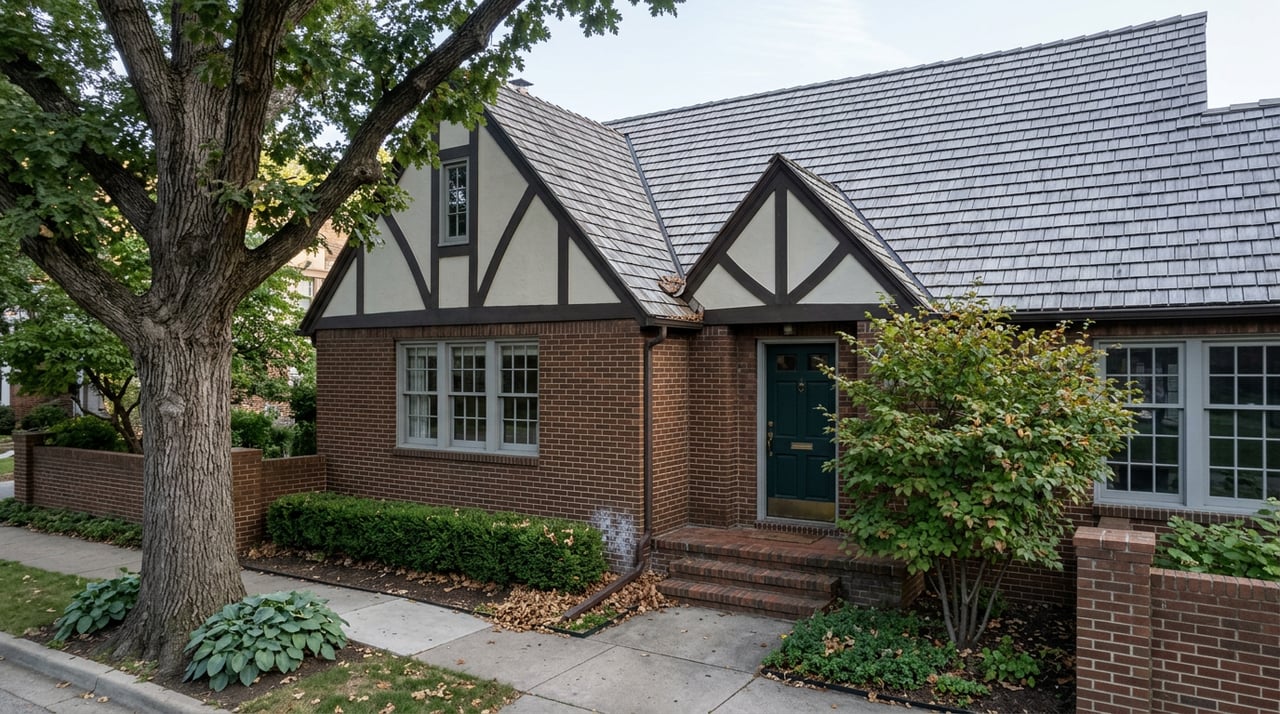
Colonial Revival and Tudor Revival
Later infill introduced classical symmetry, brick veneers, and gabled entries. In some places, you’ll see Tudor accents like steeply pitched roofs and arched doorways.
Prairie influences
Select homes show low, horizontal lines and broad eaves that fit neatly beneath the street’s mature tree canopy. The effect is calm and grounded.
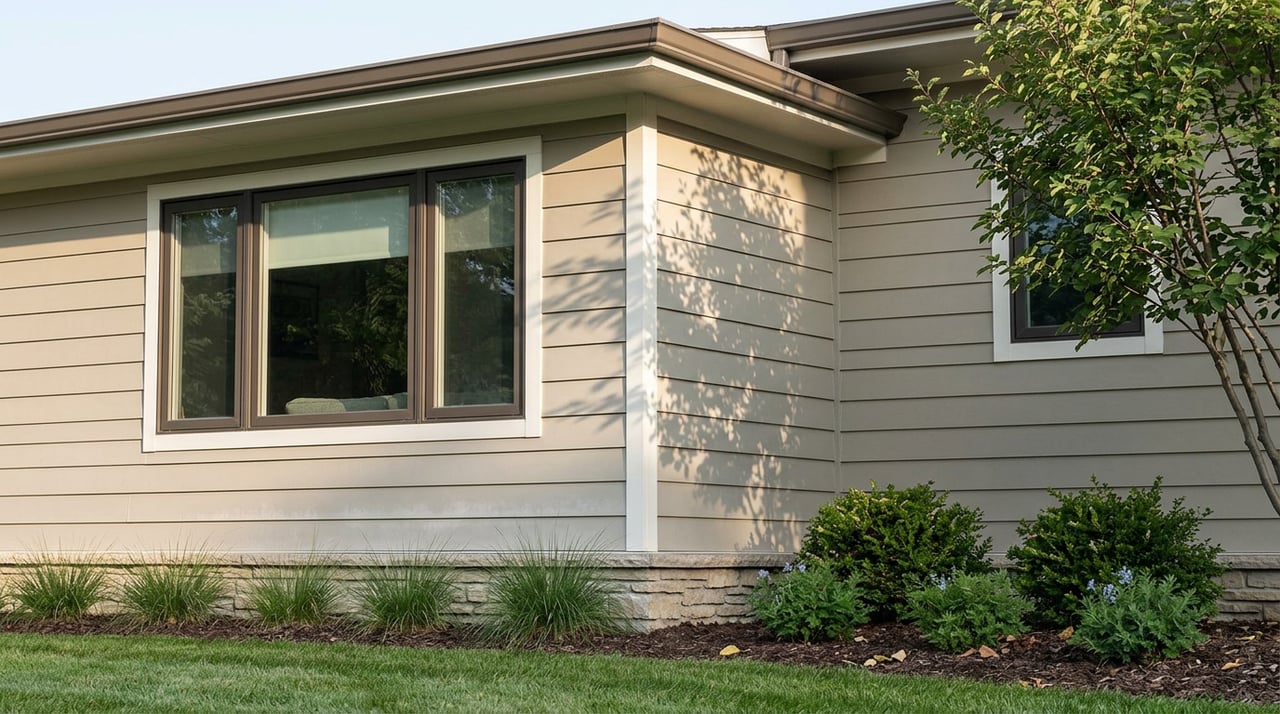
Common across styles are period details that stand the test of time: wood clapboard or shiplap siding, stone foundations or trim, original window sashes, and plaster walls. These elements contribute to the richness many buyers seek.
Streetscape and daily life
The feel of these neighborhoods comes as much from the street as from the houses themselves.
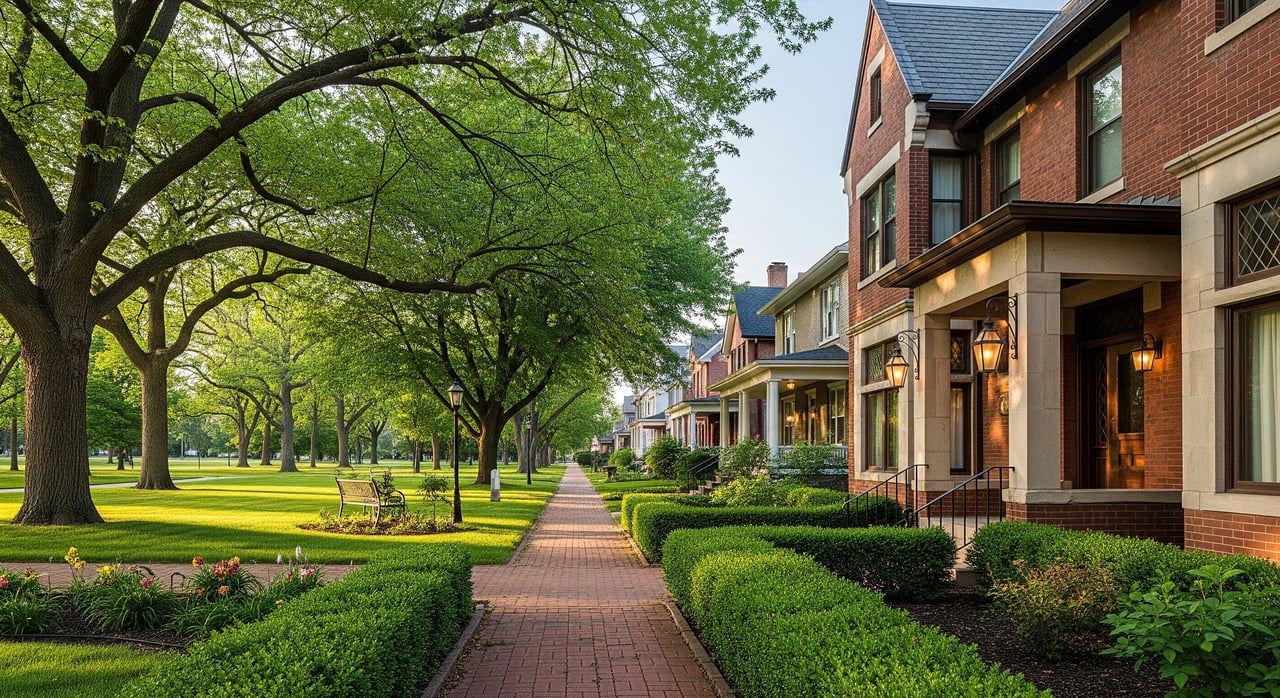
- Consistent setbacks and aligned porches create a continuous front yard that invites conversation.
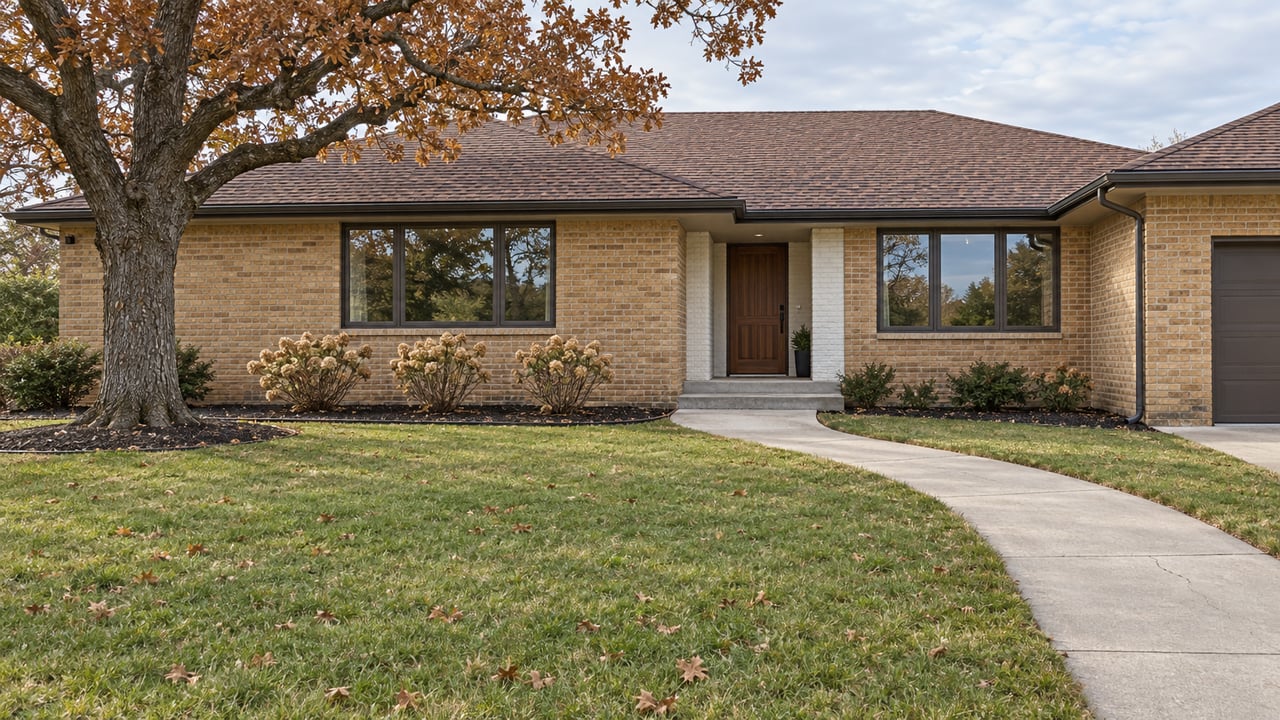
- Sidewalks and tree-lined blocks make walking comfortable and shaded, with seasonal color each fall.
- Alleys and detached garages keep the streetscape uncluttered and preserve front-yard charm.
- Period touches like historic-style lamps, stone curbs, and park features add texture and continuity.
This is front-porch culture. Even in winter, porches and steps act as visual anchors. In warm months, they become social thresholds where neighbors pause to chat as they pass.
How to tour like a design pro
If you’re starting weekend drives through McKennan Park or Old Orchard, bring a designer’s eye. The cues below help you read a house and its block quickly.
Exterior and block cues
- Porch depth and placement. Wide, usable porches are a big charm point and offer another living zone.
- Rooflines and dormers. Varied pitches and thoughtful massing add interest and light upstairs.
- Original materials. Intact wood siding, leaded or multi-pane windows, and masonry details signal quality.
- Front-yard rhythm. Continuous setbacks, active stoops, and sidewalks point to a pedestrian-friendly block.
- Tree canopy and light. Morning light through mature branches and afternoon shade shape daily comfort.
- Proximity to green space. Park-facing homes and short walks to lawns create strong everyday value.
Interior features to notice
- Tall ceilings and original hardwoods that carry light and warmth.
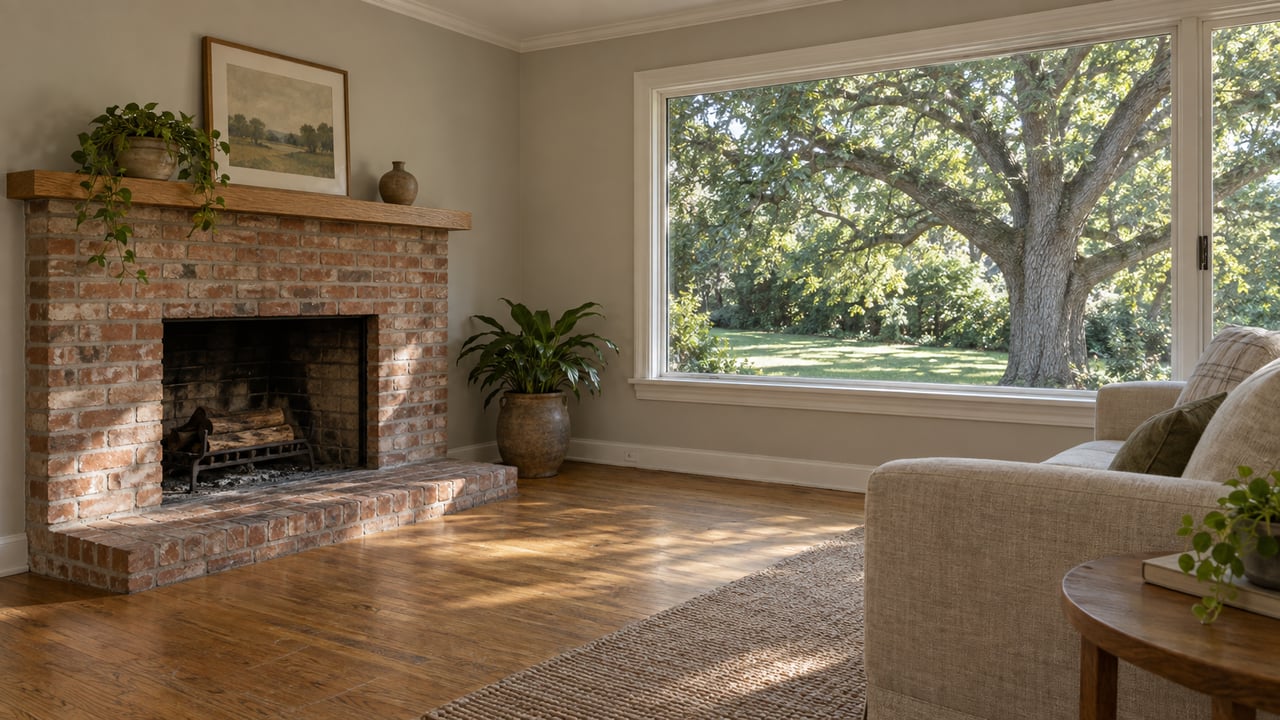
- Built-ins, moldings, and mantels that show craftsmanship.
- Room proportions that balance formal dining or parlors with modern living.
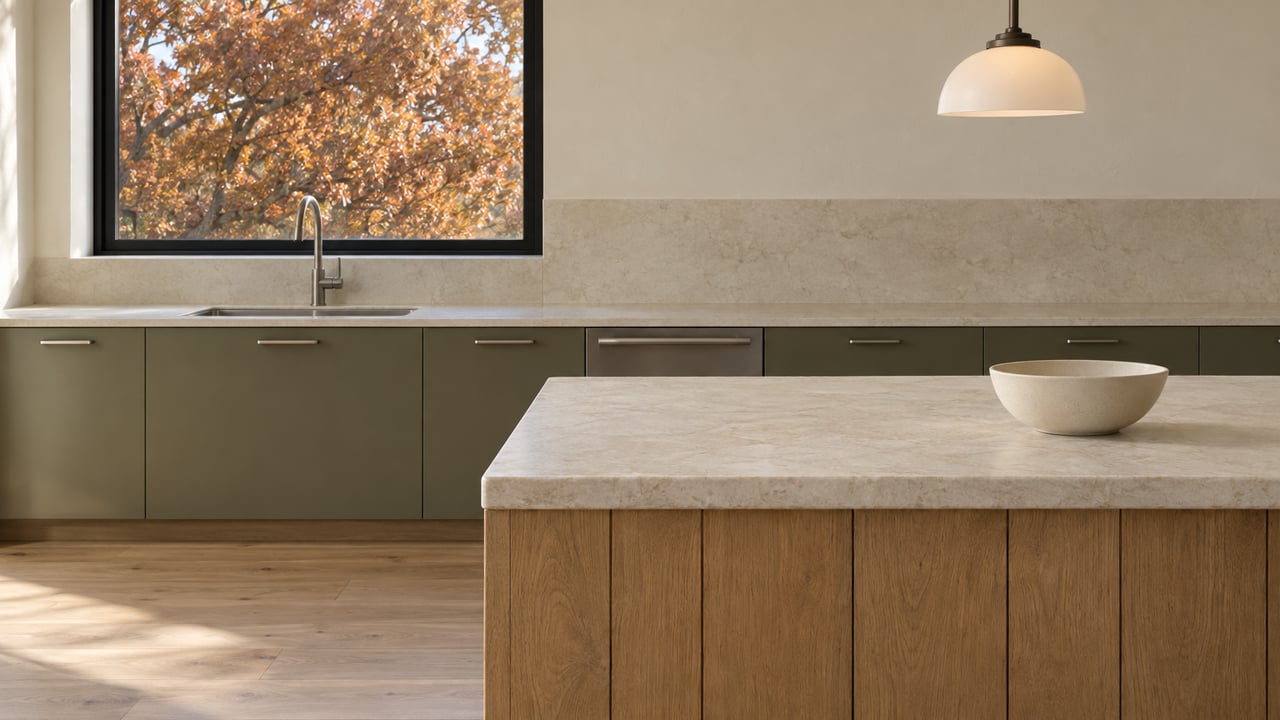
- Kitchen size and layout. Many older plans are smaller; well-executed reconfigurations can unlock flow.
Bring a notepad. Record where you see settled steps, porch woodwork that needs care, or window conditions. These observations help you compare homes later and plan budgets with clarity.
Preservation and renovation basics
Historic character and modern comfort can live well together. The key is knowing where to preserve and where to update.
Know your rules
Some blocks may sit in locally regulated historic districts, which can require design review for exterior changes. National Register listing recognizes significance but does not automatically impose local controls. Always confirm the status of a specific address with the City of Sioux Falls Historic Preservation Commission before planning work.
Common maintenance to budget
Older homes often include original windows and doors, plaster walls, and legacy plumbing or electrical. Many also have modest insulation and older roofing. Plan for periodic maintenance like porch repairs, exterior paint, roofing, and mechanical upgrades. A realistic budget protects the charm you love while keeping systems safe and efficient.
Updates that respect character
- Upgrade interior systems first. Focus on HVAC, electrical panels, and plumbing.
- Improve efficiency gently. Add insulation where possible and repair or thoughtfully replace windows.
- Restore porches and exterior woodwork. These features define street presence.
- Choose period-appropriate colors and materials. Keep additions smaller and subordinate to the main roofline.
Additions and accessory spaces
Alleys and detached garages are common, which can open options for accessory spaces or carriage-house conversions. If you consider an accessory dwelling or studio, keep scale in mind and confirm local rules before you start.
Costs and potential incentives
Older homes can require more ongoing care than newer builds. Plan ahead for lifecycle costs and factor renovation into your ownership timeline. In some cases, historic preservation tax incentives may be available for qualifying rehabilitations that meet defined standards. Consult local or state historic preservation offices to learn about eligibility.
Living near McKennan Park
McKennan Park is a daily backdrop for many who live nearby. Mature landscaping, open lawns, and established park features give the area a steady rhythm through the year. Summer evenings bring a flow of walkers and cyclists. Autumn color frames the sidewalks and front porches. Even in colder months, the park’s structure and tree silhouettes add beauty and orientation.
If you’re touring park-adjacent blocks, pay attention to view corridors from porches and living rooms, how quickly you can reach the park edge, and the overall sidewalk network. These small qualities add up to real, lived value.
Smart buyer questions
Before you write an offer, ask clear, practical questions. A little documentation goes a long way.
- Is the property in a locally designated historic district or subject to design review?
- Which major mechanical upgrades have been completed, and are there permits or records?
- What maintenance has been done on the roof, foundation, and porches? Any history of water intrusion or drainage fixes?
- Are there recommended practices or restrictions for exterior changes such as siding, windows, or additions?
- If there is an alley or detached garage, what are the options for accessory uses?
For sellers: Showcasing historic charm
If you’re preparing to sell in McKennan Park or Old Orchard, presentation is your advantage. Thoughtful staging and light design work can lift perceived quality and speed to contract.
- Lead with period details. Highlight wood floors, built-ins, leaded glass, and original mantels.
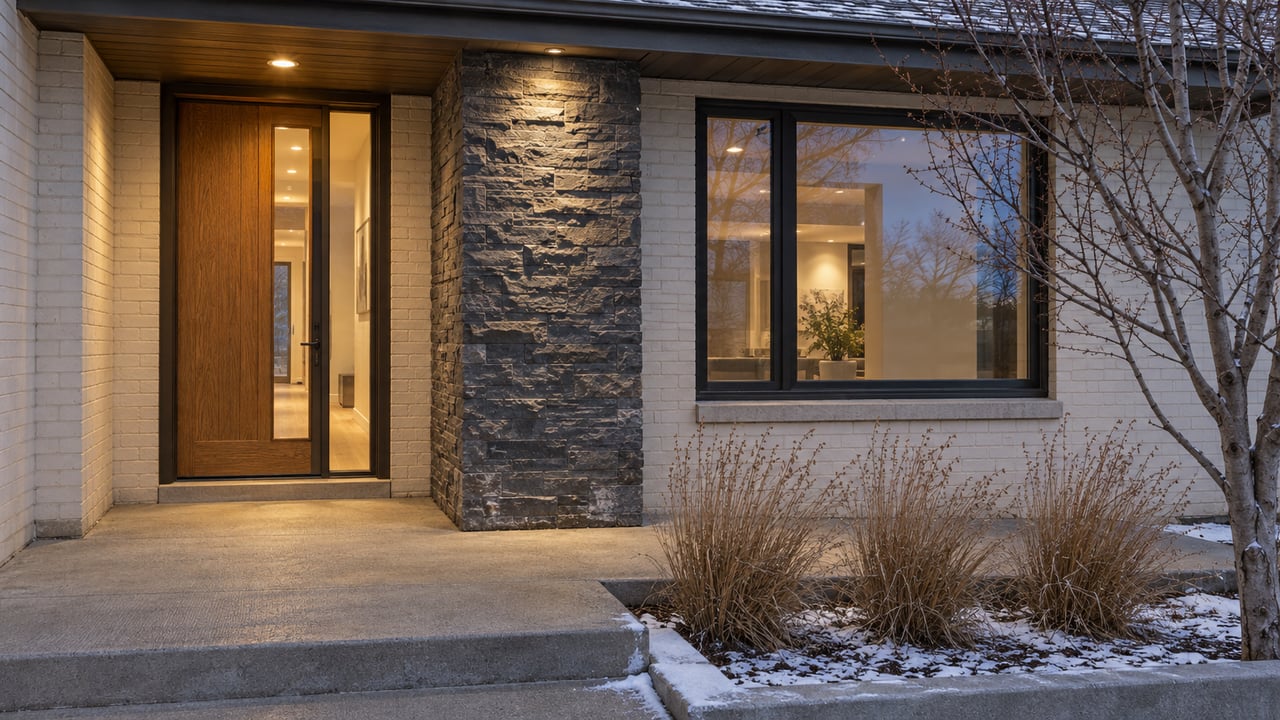
- Dress the porch. Fresh paint, seasonal planters, and simple seating make the entry magnetic.
- Simplify and edit. Let craftsmanship breathe by reducing visual clutter and heavy window treatments.
- Use warm, period-friendly palettes. Choose lighting that complements wood tones and plaster walls.
- Document upgrades. Provide a concise record of mechanical improvements and maintenance.
Pair strong presentation with data-driven pricing. When your home is positioned within its style peers and neighborhood comps, you can capture the value of character without leaving money on the table.
Next steps
Historic Sioux Falls rewards buyers and sellers who value design, walkability, and a strong sense of place. Whether you’re searching for bungalow charm by the park or preparing a classic Foursquare for the market, you deserve a plan that blends style with strategy. For curated tours, renovation-minded guidance, and pricing you can defend, connect with Amanda Buell Homes. Request your personalized home valuation or ask about off-market opportunities in McKennan Park and Old Orchard.
FAQs
What makes McKennan Park and Old Orchard feel historic in Sioux Falls?
- These neighborhoods grew from the 1890s through the 1930s, with human-scale streets, consistent setbacks, and period architecture that create a cohesive, walkable environment.
Are there design restrictions on exterior changes in these areas?
- Some blocks may be locally designated, which can require review for exterior work; always check with the City’s Historic Preservation Commission for a specific property.
Which architectural styles are most common in these neighborhoods?
- You’ll often see American Foursquare, Craftsman and Bungalow, Queen Anne, Colonial Revival, Tudor Revival, and select Prairie influences.
How does walkability compare to newer subdivisions in Sioux Falls?
- Short blocks, sidewalks, and mature tree canopies support comfortable walking and social front-porch culture, which many newer subdivisions do not replicate.
What should I budget for in an older home purchase?
- Plan for periodic maintenance and system updates such as HVAC, electrical, plumbing, roofing, exterior paint, and porch repairs, alongside any efficiency improvements.
Can I add an accessory unit or convert a garage in these neighborhoods?
- Alleys and detached garages are common and may create options; confirm local zoning and any historic district rules before you proceed.