What if your next move delivered more space, shorter commutes, and a true four-season lifestyle without losing city amenities? If Sioux Falls is on your radar, you are not alone. Many households consider it for affordability, career opportunities, and a welcoming small-city feel. In this guide, you will get a clear picture of daily life, housing, jobs, and what to expect in each season, plus a simple plan to see if the city fits your goals. Let’s dive in.
Sioux Falls at a glance
Sioux Falls is South Dakota’s largest city and has grown steadily in recent decades. The 2020 Census counted roughly 192,000 residents, and current estimates place the city near 200,000. Growth is driven by healthcare, finance, retail, manufacturing, and education.
Many movers point to practical reasons for choosing Sioux Falls. You will find a lower overall cost of living than many large metros, a strong healthcare employment base, and an approachable downtown. A major financial perk is that South Dakota has no state income tax, which often sweetens the relocation math.
Daily life: seasons and getting around
Four true seasons
You will experience winter, spring, summer, and fall in full. Winters are cold and snowy, so plan for snow removal, winter tires, and a layered wardrobe. Summers are warm to hot with some humid stretches. Spring and fall can shift quickly, which means a flexible closet and readiness for changing weather.
The active outdoor season typically runs from late spring through early fall. During that time, you can expect full use of trails, parks, and river access. Winter brings its own pace, with indoor arts, local events, and snow-friendly activities nearby.
Commute and transportation
Sioux Falls is car-centric and most residents drive. Commutes are typically shorter than in larger metros, with many trips across town measured in the teens for minutes. Public transit exists in the form of fixed-route buses and paratransit, but coverage and frequency are limited for daily commuting.
The city is served by Sioux Falls Regional Airport for commercial flights to major hubs. Interstate 29 and the I-229 loop make it simple to move around the city and connect to regional destinations. Downtown is walkable, and you will find an expanding network of bike and pedestrian trails along the Big Sioux River.
Jobs and cost of living
Job market snapshot
Healthcare anchors the local economy through major hospital systems and clinics. Financial services, retail distribution, manufacturing, education, and government add stability and variety. The area has historically posted low to moderate unemployment, with steady hiring in healthcare and service sectors. While the job base is diverse for a small metro, it is more concentrated than in the largest coastal cities.
Cost of living and taxes
Housing costs are generally lower than national averages, which is a key driver for incoming buyers and renters. Utilities, groceries, and local services often compare favorably, though exact totals depend on your lifestyle and neighborhood. South Dakota has no state personal income tax, which can make a meaningful difference to your bottom line. Sales and property taxes vary by locality, so review current rates as you build a budget.
Housing and neighborhoods
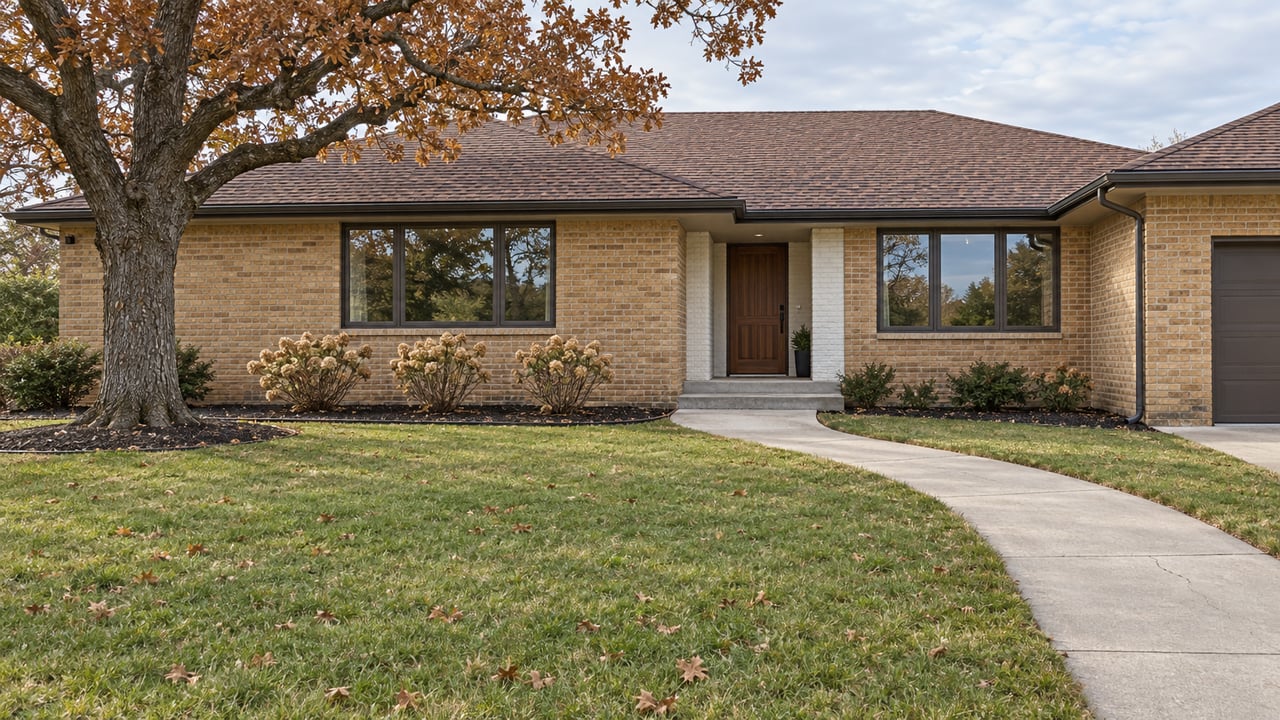
Neighborhood styles to explore
- Downtown and the core: Walkable blocks, restaurants, arts venues, and riverfront parks with a mix of lofts and condos.
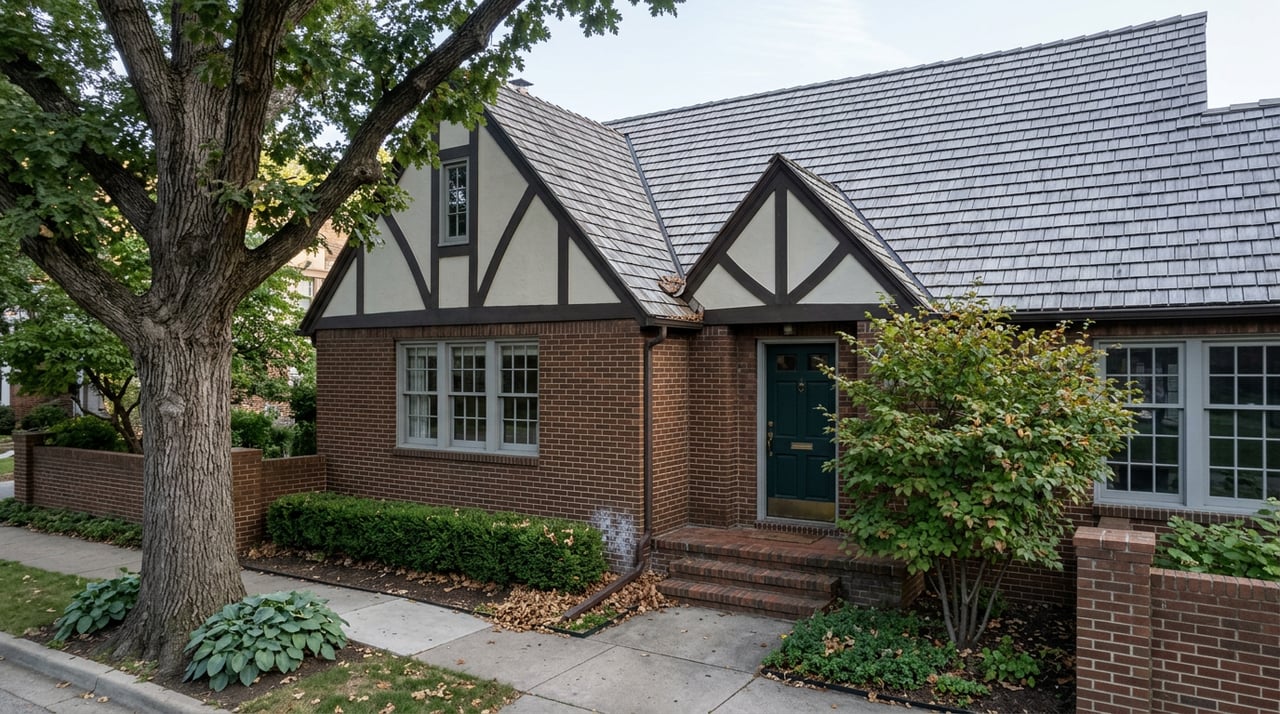
- Historic near-downtown streets: Established homes and mature trees, close to parks and everyday services.
- Suburban subdivisions: Newer construction, convenient shopping, and planned community features, especially to the south and west.
- Rural outskirts and acreage: Larger lots and a semi-rural feel within commuting distance of the city.
Local examples
If you prefer established neighborhoods with character, add McKennan Park, Old Orchard, and Arcadia Heights to your short list. If newer subdivisions appeal to you, explore Prairie Green and Prairie Tree. For a scenic setting with convenient city access, look at Tuthill and its surrounding area. Each pocket offers a distinct rhythm, home style, and access to parks and trails.
A data-aware approach can help you time your purchase, understand pricing patterns by micro-area, and identify value in both move-in-ready homes and renovation candidates. If you plan to sell, professional presentation and design-forward staging can elevate results and reduce time on market.
Schools and learning
K-12 options
The Sioux Falls School District is the largest in South Dakota, with multiple elementary, middle, and high schools. Well-known high schools include Lincoln, Roosevelt, and Washington. School performance can vary by campus, so families often review district boundary maps and state report cards to align with their priorities and extracurricular interests.
Higher education
Sioux Falls supports a mix of higher education choices, including a private liberal arts university, a small Christian university, and technical and community colleges with workforce-focused programs. These institutions contribute to local talent pipelines and continuing education.
Culture, dining, and weekends
Outdoors and trails
Falls Park on the Big Sioux River is the city’s signature landmark, with scenic overlooks and walking paths. The greenway and trail system extends along the river and across the city, offering easy routes for running, biking, and family outings. You will also find public golf courses, community parks, and quick access to lakes and state parks for year-round recreation.
Arts and family outings
A prominent arts and science center anchors downtown with performances, galleries, and hands-on learning. The regional zoo and seasonal public art displays add family-friendly options. The dining scene blends locally owned restaurants, breweries, and national favorites, with most nightlife concentrated in and around downtown. Seasonal markets and festivals round out the calendar.
Pros and trade-offs
Reasons people choose Sioux Falls
- Affordability compared with larger metros, especially for housing.
- Strong healthcare infrastructure and related jobs.
- No state income tax.
- Manageable commute times and a small-city pace.
- Growing dining and arts options.
Trade-offs to consider
- Winters are long and cold if you are not used to snow.
- Limited public transit makes car ownership common.
- Fewer ultra-specialized cultural amenities than the biggest cities.
- A job market that is stable but less diversified than major coastal hubs.
Your test-the-fit game plan
You can learn a lot with a focused 48 to 72 hours in town. Here is a simple plan:
Calibrate your budget. Sketch a rent and buy range based on your current housing costs. Include taxes, utilities, and insurance for a fair comparison.
Map commutes. During your visit, drive your likely route at typical times. You will get a real feel for traffic flow and travel time.
Walk the core. Spend a morning at Falls Park, then stroll downtown for coffee and lunch. Notice parking, street life, and access to services you use weekly.
Tour a few neighborhoods. Start with established areas such as McKennan Park, Old Orchard, and Arcadia Heights, then add newer communities like Prairie Green and Prairie Tree, plus the Tuthill area for a different landscape. Note home styles, lot sizes, and park access.
Explore the trail network. Rent a bike or take a long walk along the Big Sioux River paths to gauge your day-to-day recreation options.
Review schools and programs. If schools are part of your decision, check district boundaries and state report cards to match your preferences.
Prepare for seasons. If you visit in winter, test your vehicle with local conditions and scope out snow removal and storage solutions. In summer, plan park time and patio dining to see the city at its most active.
Assess travel needs. Visit the regional airport, look at flight schedules to your most frequent destinations, and consider drive times to nearby hub cities.
How Amanda Buell Homes helps
- Curated search for relocators. You get short lists tailored to your lifestyle, budget, and timing, plus off-market sourcing for early access to the right homes.
- Design-forward evaluation. If a property needs updates, you will get a clear, ROI-focused plan for what to change and what to keep.
- Data-driven pricing and negotiation. Offers and listing strategies are backed by market data and disciplined analysis to help you move with confidence.
- Elevated presentation for sellers. Professional staging and thoughtful design can increase appeal and reduce days on market without unnecessary spend.
Ready to see if Sioux Falls is the right move for you? Reach out to Amanda Buell Homes for a grounded, design-first, and data-smart plan tailored to your goals.
FAQs
What is the cost of living in Sioux Falls compared to larger metros?
- Housing, utilities, and many services are generally lower than national averages, and the absence of state income tax can improve your overall budget.
What are winters like in Sioux Falls for newcomers?
- Expect cold, snowy conditions; plan for winter tires, layered clothing, and snow removal, and you will find daily life manageable after a short adjustment.
Are commutes short in Sioux Falls, and is public transit practical?
- Many commutes fall in the teens for minutes, while public transit exists but has limited coverage and frequency, so most residents rely on cars.
Which industries offer jobs in Sioux Falls today?
- Healthcare leads, with strong roles in financial services, retail distribution, manufacturing, education, and government providing added stability.
How can I evaluate schools in Sioux Falls before moving?
- Review the Sioux Falls School District website for boundaries and programs, then check state report cards to compare performance and offerings.
How easy is air travel to and from Sioux Falls?
- Sioux Falls Regional Airport offers commercial service to major hubs, and Interstates 29 and 229 provide straightforward regional access by car.
Which Sioux Falls neighborhoods should I start exploring as a newcomer?
- Begin with established areas like McKennan Park, Old Orchard, and Arcadia Heights, then add newer communities such as Prairie Green, Prairie Tree, and the Tuthill area for contrast.