Prairie Green, located in the vibrant city of Sioux Falls, SD, is a treasure trove of architectural landmarks that reflect the rich cultural and historical tapestry of the region. From the scenic beauty of golf courses to the intricate designs of historical buildings, Prairie Green offers a glimpse into the architectural brilliance that defines Sioux Falls. This exploration of architectural landmarks showcases the unique blend of natural landscapes and man-made structures that make Prairie Green a captivating destination for architecture enthusiasts and visitors alike.
Golf Course Architecture
Prairie Green Golf Course
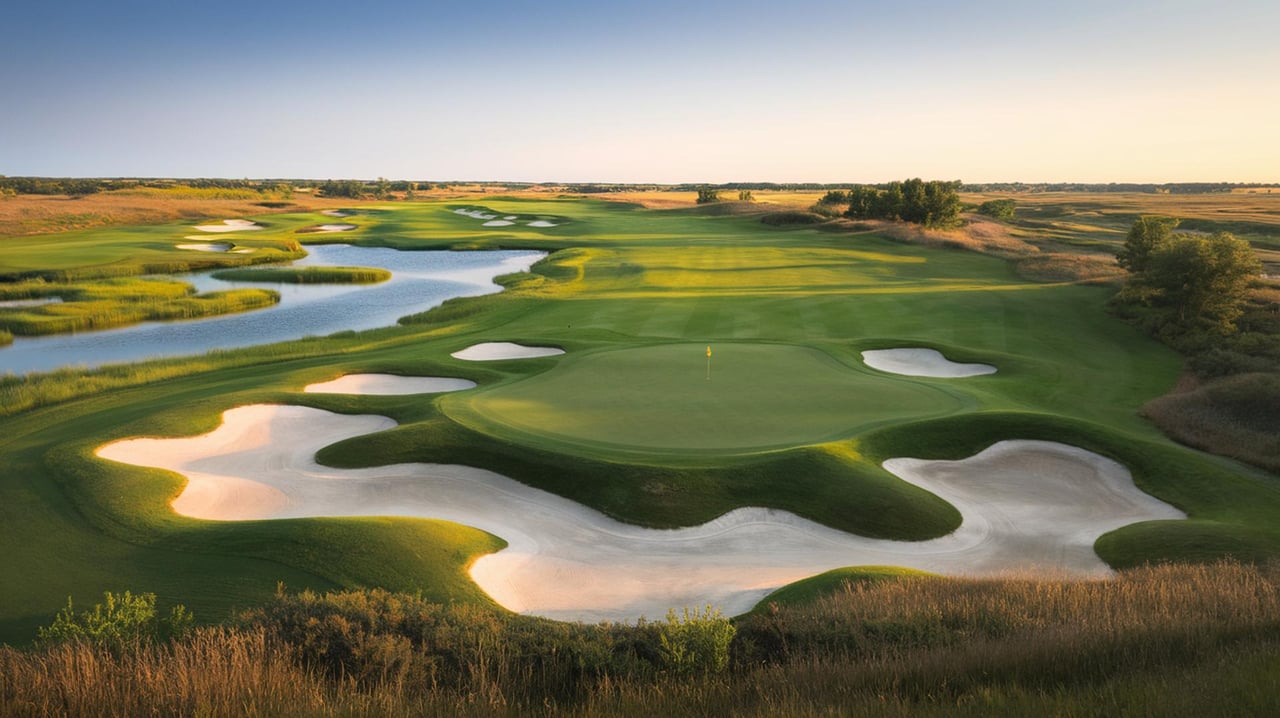
The Prairie Green Golf Course is a testament to the harmonious blend of nature and design. Situated on the southeast side of Sioux Falls, this premier public golfing destination is renowned for its scenic beauty and challenging play. Designed by the acclaimed Dick Nugent, the course features expansive fairways, captivating prairie wetlands, and strategically placed bunkers that cater to all skill levels. Recognized by Golf Digest as one of the Best New Affordable Courses in 1996, it continues to be a top-rated public course in the region. The signature hole, #15, exemplifies the course's unique challenges with its blend of bunkers, water hazards, and prairie grass. Visitors can enjoy affordable rates, a welcoming staff, and the clear South Dakota skies, making a visit to Prairie Green an unforgettable experience.
Historical Architecture
Romanesque on the Plains: The Look of Sioux Falls
The architectural landscape of Sioux Falls is a rich tapestry of styles that reflect the city's historical and cultural evolution. The Romanesque on the Plains provides an in-depth exploration of Sioux Falls' architectural heritage, highlighting the city's wide building styles from the late 19th to early 20th centuries. Sioux Falls is celebrated for its Richardson-style Romanesque buildings, many of which are constructed using the locally quarried Sioux quartzite. Key architects such as Wallace L. Dow and Joseph Schwarz played pivotal roles in shaping the city's architectural landscape, creating richly ornamented and colorful structures. Significant landmarks like the Old Minnehaha County Courthouse and the Federal Building emphasize the city's blend of Romanesque, Gothic Revival, and Beaux Arts Classicism styles. Sioux Falls' architecture not only reflects its historical economic boom as a financial-services hub but also its cultural richness, with over 65 structures listed on the National Register of Historic Places.
Architectural Significance
Old Minnehaha County Courthouse
The Old Minnehaha County Courthouse stands as a symbol of Sioux Falls' architectural grandeur. Constructed using the distinctive Sioux quartzite, this building is a prime example of the Richardson-style Romanesque architecture that defines much of the city's historical landscape. The courthouse's richly ornamented façade and intricate detailing reflect the craftsmanship and artistic vision of the era. As one of the key landmarks in Sioux Falls, the Old Minnehaha County Courthouse offers a glimpse into the city's architectural past and its enduring legacy.
Federal Building
The Federal Building in Sioux Falls is another architectural gem that showcases the city's historical significance. With its blend of Romanesque and Beaux Arts Classicism styles, the building reflects the architectural trends of the early 20th century. The use of Sioux quartzite in its construction adds a unique touch to its design, making it a standout structure in the city's architectural landscape. The Federal Building's historical and cultural importance is further highlighted by its inclusion on the National Register of Historic Places.
Sioux Quartzite Structures
Sioux quartzite, a locally quarried stone, plays a significant role in the architectural identity of Sioux Falls. Many of the city's historical buildings, including the Old Minnehaha County Courthouse and the Federal Building, are constructed using this distinctive material. The use of Sioux quartzite not only adds a unique aesthetic to these structures but also reflects the region's natural resources and its influence on architectural design. The stone's durability and vibrant color make it a favored choice for architects looking to create lasting and visually striking buildings.
Architectural Heritage
Wallace L. Dow
Wallace L. Dow, a prominent architect in Sioux Falls, played a pivotal role in shaping the city's architectural landscape. Known for his work in the Richardson-style Romanesque architecture, Dow's designs are characterized by their intricate detailing and use of Sioux quartzite. His contributions to the city's architectural heritage are evident in many of the historical buildings that continue to define Sioux Falls' skyline. Dow's legacy is a testament to the city's rich architectural history and its enduring influence on modern design.
Joseph Schwarz
Joseph Schwarz, another key figure in Sioux Falls' architectural history, contributed to the city's wide architectural styles. His work in the early 20th century helped shape the city's architectural identity, blending Romanesque, Gothic Revival, and Beaux Arts Classicism styles. Schwarz's designs reflect the cultural and historical significance of Sioux Falls, showcasing the city's evolution as a financial-services hub and its rich cultural heritage. His contributions to the city's architectural landscape continue to be celebrated and preserved in many of Sioux Falls' historical landmarks.
National Register of Historic Places
Sioux Falls' architectural heritage is further highlighted by the inclusion of over 65 structures on the National Register of Historic Places. This recognition underscores the city's commitment to preserving its architectural history and cultural significance. The wide range of architectural styles represented in these structures reflects the city's historical evolution and its influence on modern design. The National Register of Historic Places serves as a testament to Sioux Falls' rich architectural legacy and its enduring impact on the region's cultural landscape.
Discover the Architectural Wonders of Prairie Green
Exploring the architectural landmarks of Prairie Green in Sioux Falls, SD, offers a fascinating journey through history and design. From the lush landscapes of the Prairie Green Golf Course to the stunning Romanesque structures, each landmark tells a unique story of the region's cultural and architectural evolution. Whether you're an architecture enthusiast or simply looking to appreciate the beauty of Sioux Falls, these landmarks provide a captivating glimpse into the past. For those considering a move to this vibrant area, Amanda Buell Homes can guide you in finding the perfect home amidst these architectural wonders. Contact them today to start your journey in Sioux Falls.