A little after six on a July morning, a disc golfer lines up his drive on hole six, the long downhill shot that drops into the Big Sioux River valley. Forty yards below him, a hot air balloon crew is laying out a wall of nylon on the grass near tee nine, waiting for the wind to settle enough to fire the burner. Neither of them is in the wrong place. Both of them are using the same hillside for the reason it has always been used: because it drops, climbs, and curves in ways that most of Sioux Falls simply does not.
That hillside is the whole story of Tuthill Park. Most of the city sits on flat prairie grid, which is why Tuthill's river bluffs stand out on a topo map before they stand out on a scorecard. The same slope that makes hole six a genuine downhill risk in July is the slope that turns into the city's steepest sledding run in January. The same terrain that draws PDGA-sanctioned tournaments away from flatter courses is what makes a 50-kilometer trail race here feel less like a run and more like an ordeal. If you live near Tuthill, you already sense this without naming it. Naming it changes how you see everything else the park does.
The Grade Nobody Talks About
Tuthill's 18-hole disc golf course is rated a moderate 4.3 out of 5 by the disc golf community, which undersells what "moderate" means on this particular hillside. The course description itself flags the terrain directly: holes one through three run through sparse pines and hardwoods, holes four and five demand control down long narrow fairways, and hole six is a long downhill shot straight into the river valley before holes sixteen and seventeen push back uphill to close the loop. That is not a flat park with trees added for scenery. That is a bluff course that happens to have baskets on it.
The singletrack mountain bike trails threaded through the same hills confirm the grade. The Falls Area Singletrack organization, which built and maintains the roughly four miles of packed-dirt trail here, describes average grades of 8 to 10 percent with a maximum pitch of 17 percent, following the natural river bluff topography rather than fighting it. Compare that to the flat, beginner-friendly loop at Legacy Park, built by the same trail organization on the other side of the city, and the contrast is the point. Tuthill is the one park in the rotation where the land itself sets the difficulty.
A Calendar Built on One Hillside
The practical result is a park that changes its primary sport by season, all on the same footprint.
| Season | What's Running | 2026 Marker |
|---|---|---|
| Winter | Ice skating rink and warming house, sledding hill, cross-country ski loop, disc golf drops to a 15-hole winter layout | Runs through the coldest months |
| Early spring | PDGA season opener | Sioux Falls Ice Breaker, C-tier, March 28 |
| Spring | National amateur tour stop | NADGT Exclusive @ Tuthill, B-tier, April 12 |
| Spring | Local club tournament | Springing Into TutHill, C-tier, April 25 |
| Early summer | Charity ultramarathon | TutHell 50K, held in May |
| Summer | The city's marquee disc golf weekend | Sioux Falls Open, B-tier, June 27 |
| Summer | Hot air balloon launches from the bottom of the course | Ongoing through the warm months |
| Late summer | National tour returns | NADGT C-Tier 2 Rounder, August 30 |
That last date is ten days out as of this writing. If you walk the lower fairways near tee nine this month, there is a real chance you will see both a balloon crew and a tournament card group working the same stretch of grass on the same weekend.
The Loop That Breaks Runners on Purpose
As Dakota News Now reported, organizer David Missal built the TutHell 50K around this terrain. The race, which returned to Tuthill this May, asks entrants to run a single .31-mile loop one hundred times inside a 12-hour window. Do the math on the climb and it adds up to roughly nine thousand feet of elevation gain over the course of the day, all accumulated on a loop short enough that most runners could walk it blindfolded by the fortieth repetition.
There is no open registration. Runners get in by submitting a hundred-word essay explaining why they want to attempt it, and each entrant nominates a charity to receive the winnings if they place first. Last year's race raised more than five thousand dollars split between two local organizations. It is a strange, small, locally run event, and it only works because the loop itself is punishing by design, not by accident. A flatter park could not host this race and mean it.
Long Before the Frisbees
The land was drawing people to its elevation long before anyone threw a disc at a basket. In 1874, shortly after the nearby Fort Dakota outpost closed, a Scottish immigrant named William Howie filed a claim on the land. In 1915, Arthur Tuthill, who had inherited a lumber business and built it into a substantial fortune, bought the property with his wife Dot and turned it into a summer estate they called Otonka Farm. The Tuthill House still stands on the grounds today, along with a Japanese garden that survives from that private era, now folded into a public park that carries the family name.
The choice makes sense once you have walked the bluffs. Long before there was a scorecard or a warming house, this was simply the best piece of high ground with a river view that a wealthy Sioux Falls family could find within reach of downtown. The park inherited that advantage. Everything built on top of it since, the disc golf course, the singletrack, the sledding hill, has been an attempt to make good use of terrain someone else picked out more than a century ago.
Where the Balloons Still Launch
The hot air balloon tradition has its own local root. Ed Yost, credited with piloting the first modern hot air balloon with an onboard heat source in 1960, did his early work in Sioux Falls, and the sport has never fully left the city since. In summer, crews still fill their balloons and launch from the bottom of Tuthill's course, right around tee nine, close enough to the fairway that a golfer teeing off can watch a balloon lift over the same valley his disc is about to drop into. It is one more instance of the park layering a new use onto the same small stretch of ground rather than building something separate for it.
When the Course Becomes a Rink
Winter is where the pattern becomes obvious. Tuthill does not build a dedicated ski hill or a separate sledding park somewhere else on the property. The same hillside that hosts the disc golf course in summer becomes the sledding run, the cross-country ski loop, and the setting for the ice rink and warming house once the temperature drops. The course itself contracts to a 15-hole winter layout rather than closing outright. Nothing here gets mothballed for the cold months. It gets repurposed, because the underlying asset, the grade of the land, works for both.
What the Hill Tells You About the Neighborhood
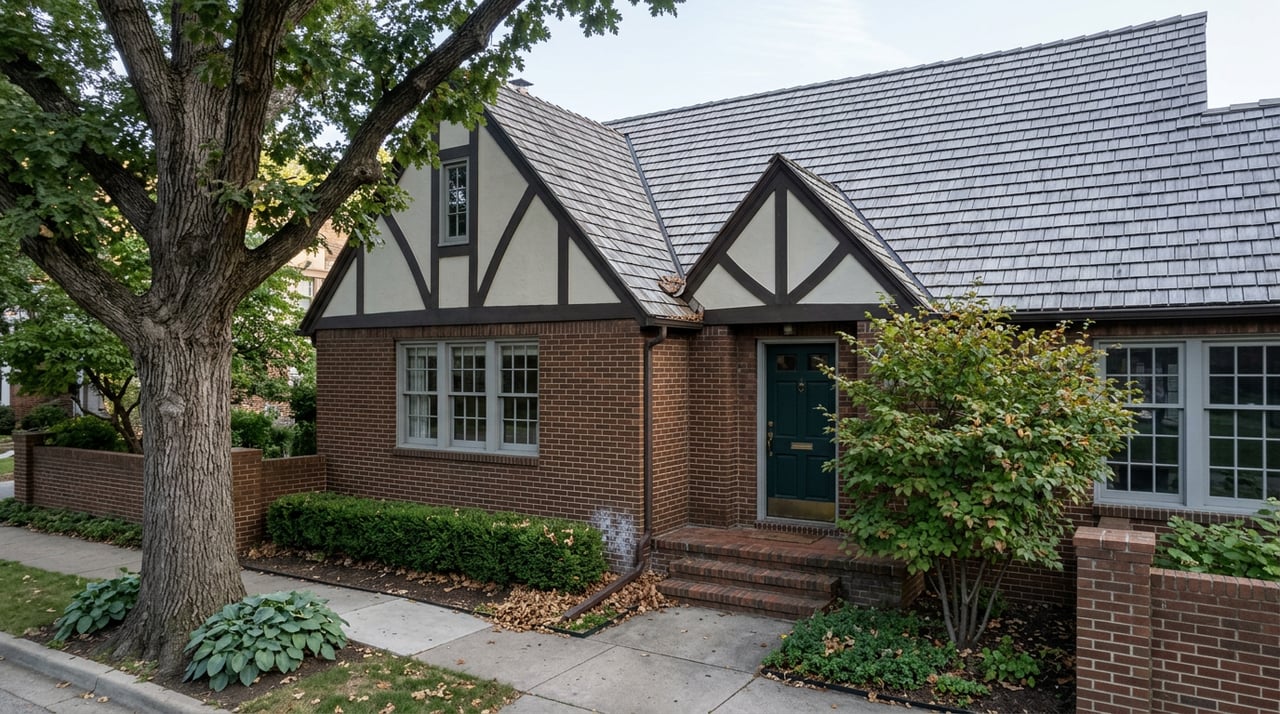
None of this is really about disc golf or balloons or a punishing 50-kilometer loop. It is about what happens when a neighborhood sits next to the one meaningful piece of elevation change in an otherwise flat city. The streets around Tuthill curve with the bluff instead of running in a grid. The tree canopy is older and denser than what you find in the newer subdivisions further out, because the land was settled and planted more than a century ago rather than graded flat last decade. The park's constant rotation of tournaments, races, and winter activity is a symptom of the same geography that shapes the blocks around it.
If you already live near this stretch of the Big Sioux bluffs, none of that needs explaining to you. You have probably already stood on your own hill and watched a balloon lift off from somewhere below. If you are the kind of person who reads a piece like this because you are starting to wonder what a place like Tuthill actually offers day to day, Amanda Buell Homes tracks neighborhoods like this one closely, and the same data-driven approach that goes into pricing a listing goes into answering questions about a specific block or a specific bluff. Request your personalized home valuation whenever you are ready to see what your corner of Sioux Falls is actually worth right now.