Curious what your Old Orchard home could sell for in 2026? You are not alone. With shifting interest rates and low inventory in parts of Sioux Falls, pricing your home well is more important than ever. In this guide, you will see how a data-driven Comparative Market Analysis (CMA) and design-first staging work together to set a strong list price and maximize your net. Let’s dive in.
What drives value in Old Orchard
Old Orchard’s value starts with location. Proximity to downtown Sioux Falls, nearby parks, shopping, and major arterials can boost demand. Easy access and everyday convenience tend to draw more showings, which supports stronger pricing.
Housing stock matters too. Typical year built ranges, styles, and whether homes include finished basements all influence value. Because Old Orchard boundaries and housing characteristics can vary by source, confirm details through the Greater Sioux Falls Association of REALTORS MLS, Minnehaha County records, and City of Sioux Falls neighborhood maps.
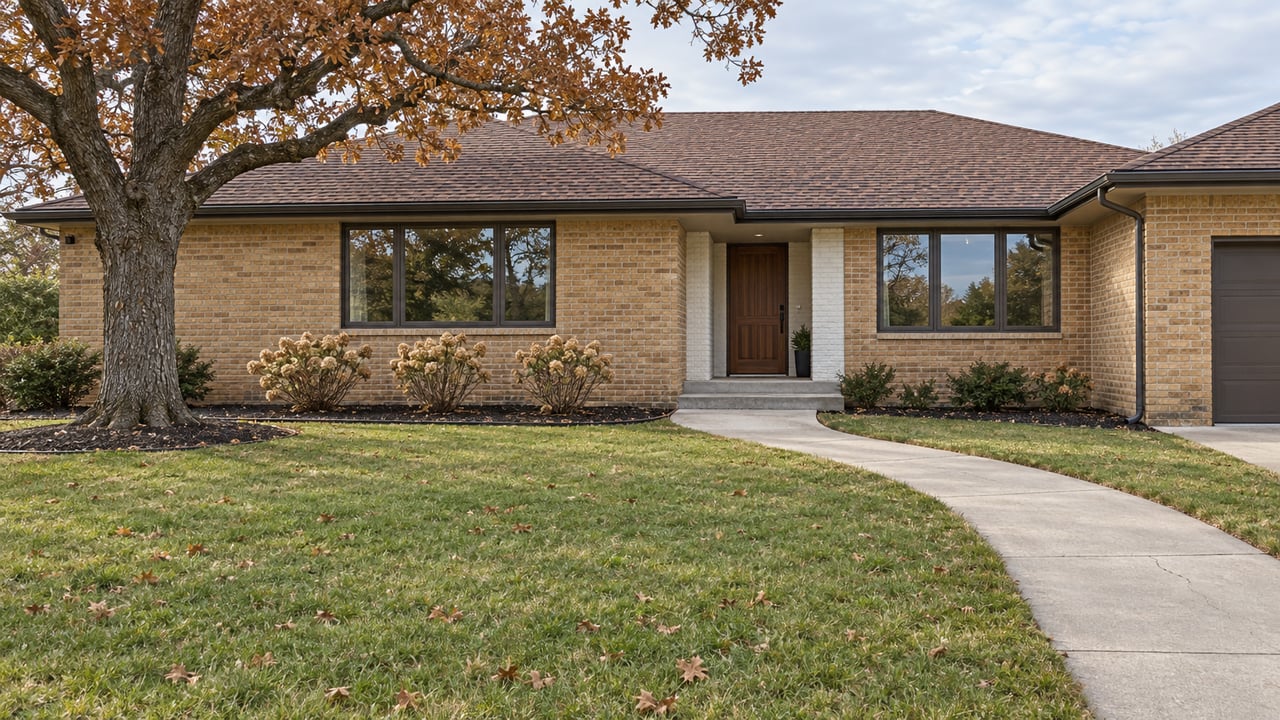
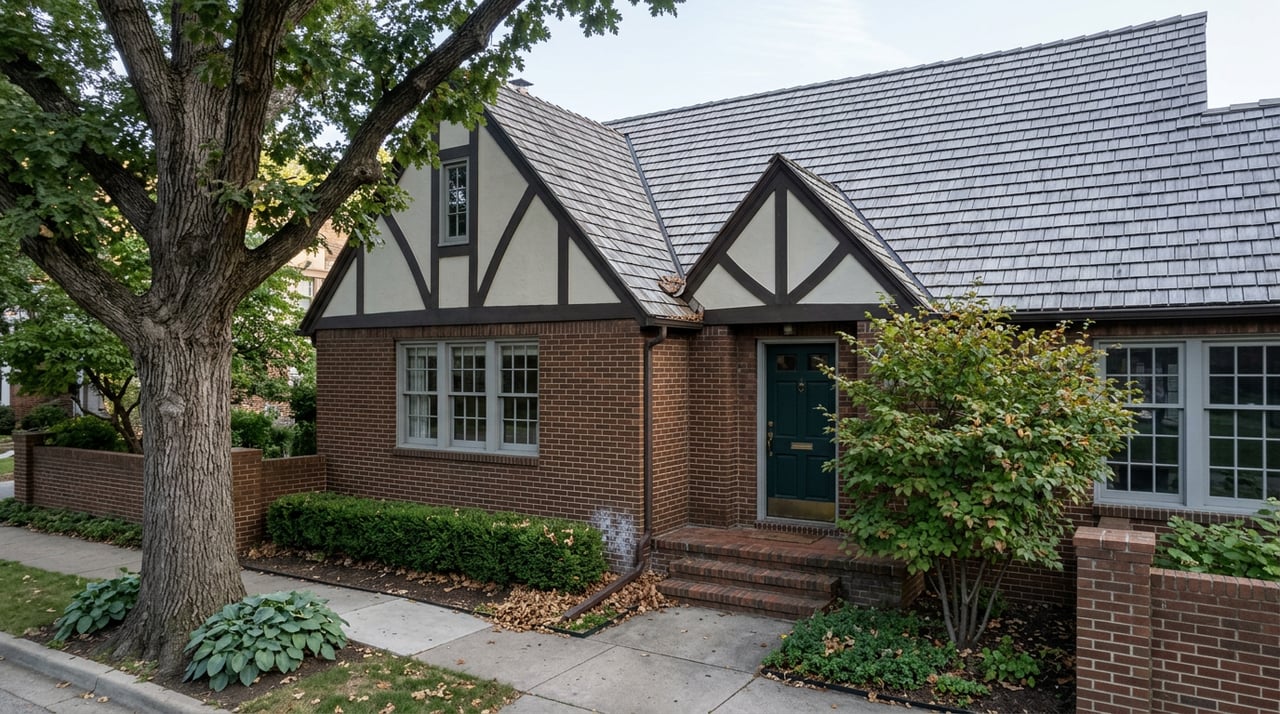
Lot size, curb appeal, and condition play a big role. Homes with updated kitchens and baths, newer mechanicals or roof, and well-kept landscaping generally compete better. If you have unique features like a corner lot, an accessory unit, or an exceptional outdoor area, note those clearly during pricing.
School assignment can affect buyer interest. Verify your current elementary, middle, and high school zones through the Sioux Falls School District’s lookup resources. Use only neutral, factual information when communicating about schools.
Market conditions set the backdrop. Pull recent Old Orchard and citywide indicators such as median price, price per square foot, months of inventory, days on market, and sale-to-list ratios from the MLS. Review the most recent 6 to 12 months for near-term pricing, then scan 1 to 3 years for trend direction.
Build a data-driven CMA
A strong CMA provides a pricing range and a clear strategy, not a single guaranteed number. Here is how to structure it for Old Orchard.
Define your property baseline
Gather the facts before you touch comps.
- Street address and legal description
- Above-grade square footage and finished basement square footage
- Bed and bath count, garage capacity, and lot size
- Year built and any recent renovations or replacements
- Interior and exterior condition, plus unique features
- Photos of curb appeal and key rooms
Select the right comps
- Time window: Start with the past 6 months. If sales are thin, extend to 6–12 months and note the date differences.
- Geography: Prioritize sales inside the Old Orchard boundary. If needed, expand outward in small steps to the most similar adjacent areas and document the distance.
- Size and composition: Aim for comps within about 15 percent of your above-grade living area. Match bed and bath counts when possible, or allow plus or minus one bedroom in low-inventory situations.
- Lot and condition: Try to match lot size within about 20 percent and align finish level. Updated homes should be compared to updated homes whenever possible.
- Types of comps: Weight closed sales highest. Include pending sales to reflect current demand, active listings as your competition, and note recent expired or withdrawn listings to spot price resistance.
Apply market adjustments
Use clear, defensible adjustments to align comps with your home.
- Dollar-per-square-foot method: Derive a neighborhood price per above-grade square foot from your most comparable solds, then adjust for size differences.
- Paired-sales or market-derived adjustments: When possible, use paired sales to estimate the value of features like a renovated kitchen, an additional bath, or a larger garage. If you need broader city data to estimate adjustments, flag the limitation in your notes.
- Typical adjustments: Above-grade and finished basement square footage, bedroom and bathroom counts, garage capacity, lot size and view, recent remodeling, overall condition, major systems, and proximity to busy streets or notable amenities.
- Documentation: Avoid arbitrary percentages. Note how you derived each adjustment so your pricing holds up to scrutiny.
Reconcile price and strategy
Combine your indicators into a clear recommendation.
- Price per square foot: Establish a range from your best-matched solds.
- Sale-to-list ratio: Use this to calibrate likely concessions and negotiation room.
- Days on market: Align pricing strategy with the current pace. Short DOM may support a more assertive list price, while longer DOM suggests pricing nearer to the center of your range.
- Final recommendation: Present a low, likely, and high price range with a single recommended list price. Include a fallback plan for price adjustments or a multiple-offer strategy if demand is strong.
Example (hypothetical)
Imagine you own a well-maintained, three-bed ranch with an updated kitchen, a finished basement, and a two-stall garage on a mid-size lot. You would first confirm the Old Orchard boundary and pull the past 6 months of similar ranch sales within that area. If only a few match, you would expand slightly to adjacent blocks with similar homes. Next, you would adjust for square footage differences, the finished basement, the updated kitchen, and garage capacity. After calculating a price-per-square-foot range from the closes matches, you would reconcile a listing range and choose a recommended list price based on current DOM and active competition.
Pitfalls to avoid
- Treating online estimates as final. Automated valuations do not capture interior condition or recent updates the way local MLS comps and an on-site review can.
- Reaching too far for comps. Distant sales can weaken your pricing accuracy if they sit in a different micro-market.
- Ignoring finished basement differences. Above-grade and below-grade space are valued differently in most buyer analyses.
Design-first staging that sells
Staging and professional photography often increase buyer interest and can reduce days on market when paired with the right list price. The goal is to let buyers see scale, flow, and possibility the moment they scroll your photos.
Who benefits most
- Vacant homes that need scale and warmth
- Homes with eclectic or dated décor that need a neutral frame
- Premium-positioned listings where lifestyle presentation supports a higher target price
- Listings in crowded segments where standout photos drive showings
Tactics that work in Sioux Falls
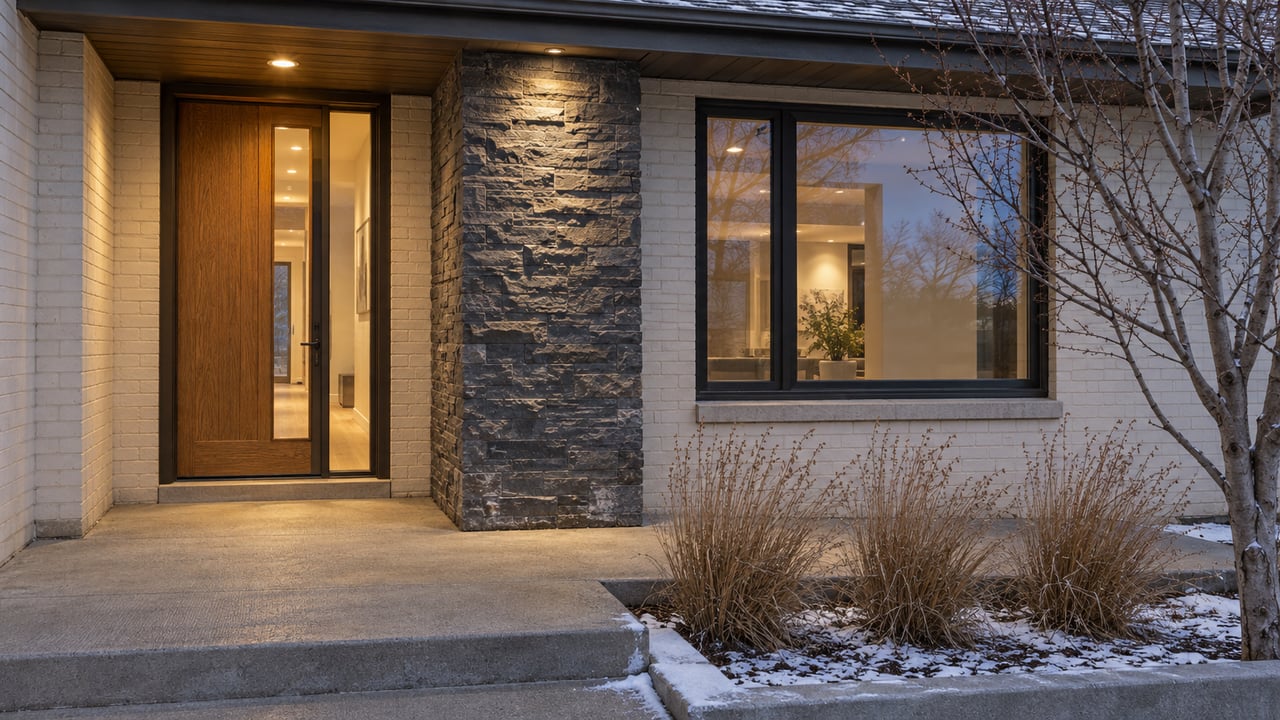
- First impressions: Fresh mulch, trimmed hedges, a clean entry, and a simple doormat set the tone.
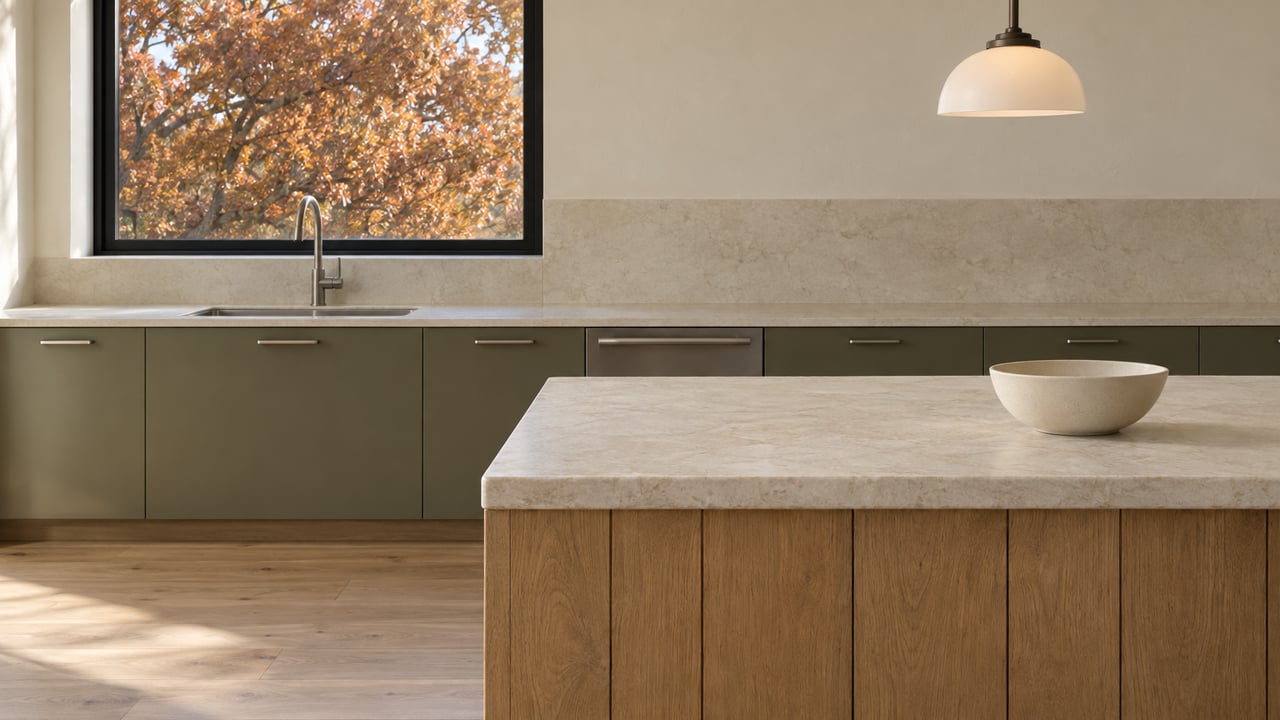
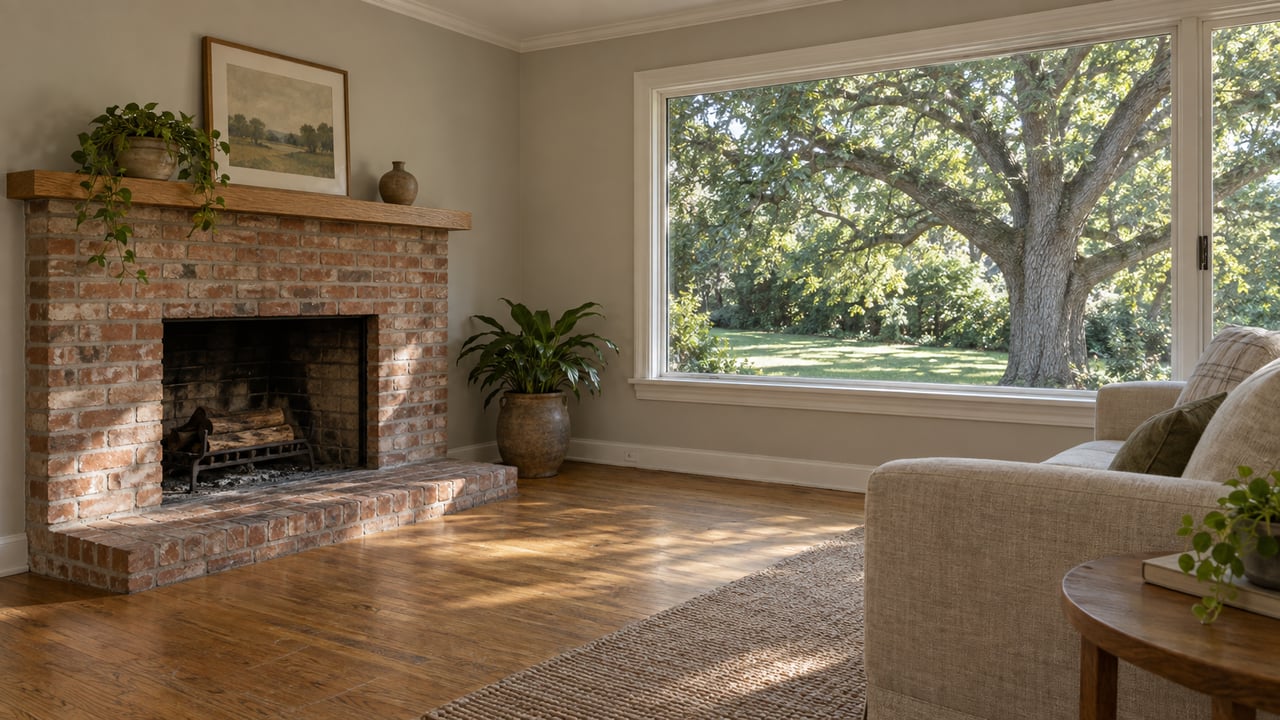
- Photography-first rooms: Arrange the living room, kitchen, and primary suite to show circulation and purpose in photos.
- Neutral palette: Soft, cohesive colors with layered textiles and a few curated accents appeal to a broad audience.
- Declutter and depersonalize: Clear surfaces and remove personal items to help buyers imagine themselves in your home.
- Highlight lifestyle zones: Style a reading nook or home office to showcase flexible living.
- Light and layers: Maximize natural light, use lamps for evening showings, and size rugs correctly to anchor spaces.
Cost and ROI perspective
Staging costs vary by scope, from partial staging of key rooms to full-home staging or virtual staging. Get three local bids and pair staging with top-tier photography and, when appropriate, floor plans or 3D tours. While outcomes vary by market and property, staging often helps homes sell faster and can support stronger pricing when the home is correctly priced.
What to have ready for your valuation
When you request a personalized CMA, you get a clearer number and a plan. Here is what to expect and how to prepare.
What to ask for
- A written CMA with 3–6 closed comps, plus relevant pending and active listings
- A recommended listing range and a single recommended price with rationale
- A pre-list improvement list with simple cost guidance and expected impact
- A marketing plan summary that covers photos, staging, and timeline
- A projected net sheet that estimates your cash at closing
Documents to gather
- Recent utility bills and your property tax statement
- HOA documents if applicable and any surveys on file
- Previous inspection reports and repair records
- A list of upgrades with dates and receipts
- Interior photos and any disclosure items, such as liens or easements
- Your ideal timing and any constraints, like a target closing date
Typical timeline
- On-site visit and photos: usually within 1–7 days of contacting your agent
- Draft CMA and pricing recommendation: typically within 2–5 business days after the on-site review
- Staging or repairs: plan for 1–4 weeks depending on scope
- Time to offer: varies by market conditions and price point, so use current MLS days-on-market data to set realistic expectations
Your next step
If you want a precise number for your Old Orchard home, start with a CMA that reflects current MLS data, a careful comp set, and a design-forward presentation plan. With the right pricing and staging, you position your home to attract serious buyers and negotiate confidently.
Ready for a private, data-driven valuation and a curated plan to sell well in 2026? Connect with Amanda Buell Homes to get started.
FAQs
How long will it take to sell an Old Orchard home?
- Use the neighborhood’s current median days on market from the MLS as a baseline, then factor in your list price, condition, and marketing plan.
How much does staging cost in Sioux Falls?
- Costs vary by size and scope, from partial to full or virtual staging; get three local bids and compare the cost with potential gains in speed and price.
Should I renovate before listing my Old Orchard home?
- Focus on high-ROI updates like paint, flooring, lighting, and cost-effective kitchen or bath refreshes; weigh major renovations against after-repair value and timing.
What if there are few recent comps inside Old Orchard?
- Expand to adjacent, similar areas step by step, document distance and differences, and use clear, market-derived adjustments to maintain pricing accuracy.
Are online home estimates accurate for Old Orchard?
- They are a starting point, but they can miss condition, upgrades, and micro-market nuances, so rely on a locally sourced CMA and an on-site review for decisions.